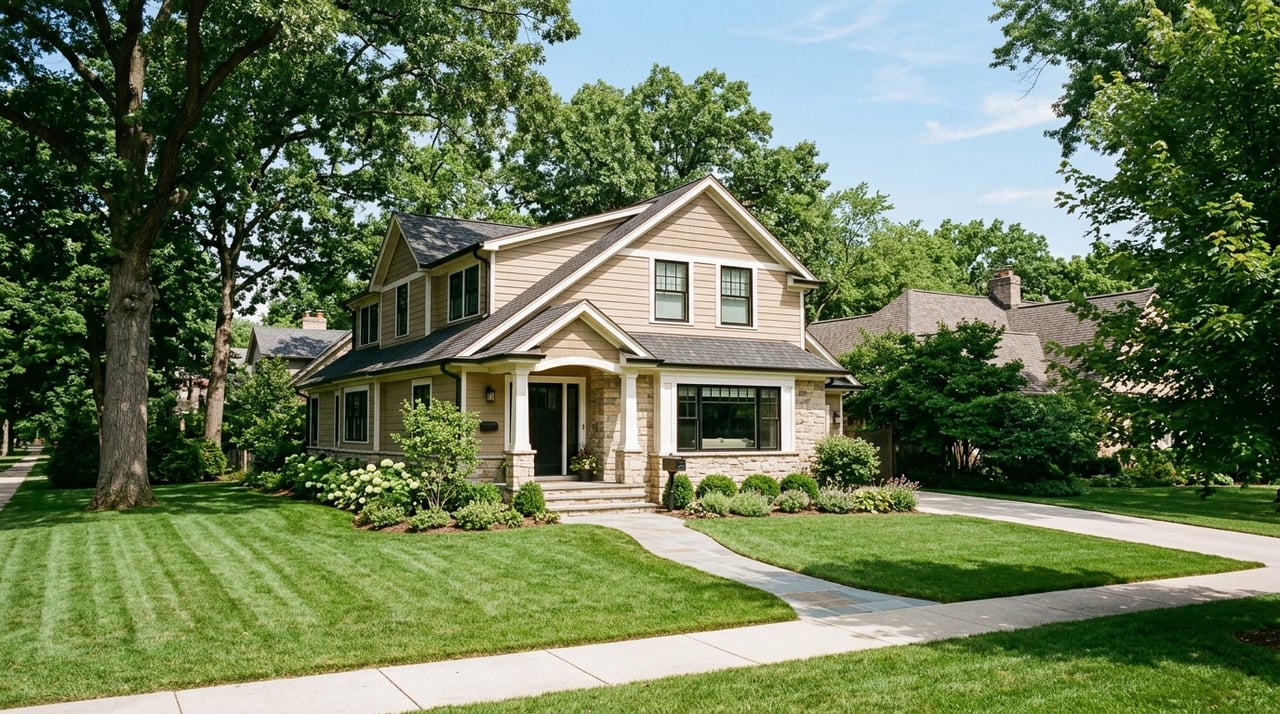
North vs South Boulder Neighborhoods for Daily Life
June 18, 2026
June 18, 2026
Wondering whether North Boulder or South Boulder would fit your daily routine better? If you are choosing between the two, you are probably thinking beyond square footage and price and focusing on how life actually feels from one week to the next. This guide breaks down the city’s planning areas, housing patterns, trails, transit, and errands so you can compare both sides of Boulder with more clarity. Let’s dive in.
North Boulder has an eclectic, mixed feel shaped by a range of housing types, lot sizes, and street patterns. The city’s planning documents describe it as a place where newer development has leaned toward a neotraditional layout, with finer-grained streets and business districts within walking distance of homes.
That mix shows up in the housing numbers from the city’s 2015 fact sheet. North Boulder had 6,080 dwelling units, including 2,991 detached single-family homes, 1,718 multifamily units, 555 attached units, and 583 manufactured homes. Taken together, that points to a broader mix of home styles and living setups within the subcommunity.
The area is also still evolving. The city’s 2024 plan amendment highlighted the Broadway and Violet area for a broader Creative Campus vision, which suggests North Boulder continues to change in visible ways over time.
South Boulder tends to feel more established in its layout and daily rhythm. According to the city, much of the area was developed in the 1950s and 1960s, and neighborhoods such as Martin Acres and Table Mesa North and South are identified as core established areas.
The 2015 city fact sheet lists 7,320 dwelling units in South Boulder. That includes 4,974 detached single-family homes, 2,823 multifamily units, and 484 attached units, which supports the view that South Boulder has a strong single-family presence while still offering other housing types.
South Boulder’s layout also centers more clearly around a key retail area. The city identifies the Table Mesa shopping center as the area’s primary retail destination, giving this side of town a more centralized pattern for errands and day-to-day services.
If you want variety in the built environment, North Boulder may stand out. City materials describe a mix of housing types, lot sizes, and street patterns, which can make the area feel less uniform from block to block.
Recent development patterns also matter here. The city says newer projects have tended toward walkable business districts near homes, which can shape how you move through the area on a daily basis.
If you prefer a more settled residential feel, South Boulder may align better with that goal. The city’s description of mid-century development and established neighborhoods suggests a more consistent pattern across much of the area.
That does not mean South Boulder is only one housing type. The area still includes multifamily and attached homes, but the overall structure reads as more established and more heavily weighted toward detached single-family homes.
North Boulder offers quick access to several well-known north-side outdoor areas. The city’s 2015 fact sheet lists 12 parks and 2 trailheads in the subcommunity, and city trail access information points to Wonderland Lake, Foothills Nature Center, Fourmile Creek, and Mount Sanitas as accessible options.
A newer addition also expands the trail picture. The North Sky Trail opened in 2024 and adds a 3.5-mile connection from Foothills Trail in north Boulder toward Joder Ranch.
In practical terms, North Boulder can work well if you picture regular outings near iconic foothill trail systems. Some of the best-known spots can be busy, but the access is a major part of the area’s appeal.
South Boulder feels more trailhead-dense in day-to-day life. The city’s 2015 fact sheet lists 6 parks and 9 trailheads, and city transit information shows access to Bobolink, Cherryvale, South Mesa, and shuttle connections to Marshall Mesa, Doudy Draw, and South Mesa trailheads.
Several routes shape the outdoor routine here. South Boulder Creek Trail is a 3.4-mile easy to medium trail with a mobility-friendly designation, and the NCAR-Table Mesa trail offers a shorter mesa connection from Table Mesa Road.
South Mesa is especially popular, and the city notes that it can fill quickly on weekends. Even so, South Boulder’s concentration of trailheads can make it easier to blend a short outing into a normal day.
North Boulder’s main transit spine runs along Broadway through the SKIP route. Current scheduling shows stops along key points such as Broadway and Canyon, Broadway and Alpine, Broadway and Iris, and Front Range and Broadway.
For daily life, that creates a corridor-based transit feel. You can move north and south through town efficiently, but the area is less centered on one major transit hub inside the subcommunity itself.
South Boulder has a stronger central transit node. The US36 and Table Mesa Park-n-Ride serves 9 bus routes, including AB1, AB2, AB3, DASH, FF1, FF2, FF4, FF5, and 206.
That level of service can be helpful if you want stronger regional access or a more car-light routine. It also supports the kind of day where commuting, errands, and a trail stop may all happen from the same general area.
Both sides of Boulder connect into the broader city transit system. RTD operates most local bus service, while Via runs the HOP, which the city describes as a local circulator with weekday 12-minute daytime service and 20-minute evening service.
The city also notes that HOP connects CU Boulder, downtown, University Hill, and the 29th Street Mall, and that the route was expanded to Boulder Junction in 2025. So while North and South Boulder feel different on the ground, both still plug into Boulder’s wider network.
North Boulder’s commercial pattern is more neighborhood-scale. City planning materials for the North Boulder area and the Broadway and Violet corridor point to a smaller-scale retail approach rather than a big-box model.
That can make daily life feel more local and distributed. Instead of relying on one main commercial hub, you may find yourself using a series of smaller nodes tied more closely to nearby residential areas.
South Boulder’s retail life is more centralized. The city says the Table Mesa shopping center is centrally located and serves as the area’s primary retail destination.
That centralization can make routines feel efficient. If you value combining errands, commuting, and meals out into one stop or one part of town, South Boulder’s layout may feel especially convenient.
When you compare North Boulder and South Boulder, the biggest difference is not which one is better. It is how each side organizes daily life.
North Boulder tends to offer an eclectic, evolving environment with mixed housing, neighborhood-scale retail nodes, and quick access to classic north-side trails. It may appeal to you if you like a more varied built environment and a daily rhythm tied to smaller local centers.
South Boulder tends to offer a more established residential base, a central shopping hub at Table Mesa, denser trailhead access, and a stronger transit node at Table Mesa Park-n-Ride. It may fit you better if you want a more settled pattern where errands, commuting, and outdoor access are often closely linked.
If you are focused on housing variety and an area that continues to evolve, North Boulder may deserve a closer look. Its mix of home types, neighborhood-scale commercial areas, and foothill access creates a distinct day-to-day experience.
If you are focused on established residential areas, centralized errands, and robust trailhead and transit infrastructure, South Boulder may check more boxes. Its structure can feel especially practical for people who want convenience built into everyday routines.
The right fit often comes down to how you want your mornings, evenings, and weekends to work. When you look at Boulder through that lens, the differences between North Boulder and South Boulder become much easier to see.
If you are weighing North Boulder against South Boulder and want help narrowing your options, The Mock Group can help you compare neighborhoods, home types, and day-to-day lifestyle fit with the local perspective that only comes from deep Boulder roots.
Stay up to date on the latest real estate trends.
Whether you're selling or buying a home, relocating, or considering an investment property, The Mock Group welcomes the opportunity to make every step enjoyable and hassle-free for you.
GAIL MOCK
NATALIE MOCK
825 S BROADWAY ST BOULDER CO 80305