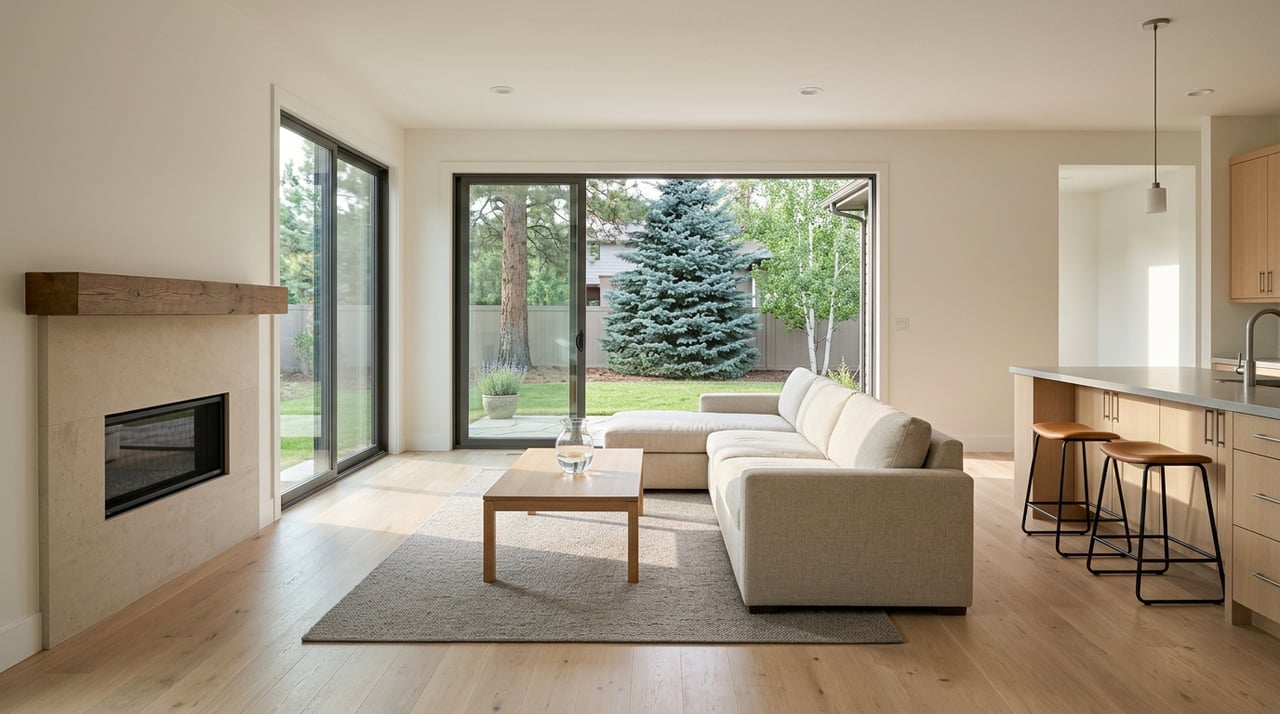
Selling a Home in Boulder County: Smart Timing and Prep
May 7, 2026
May 7, 2026
If you are thinking about selling your home in Boulder County, timing matters, but preparation matters just as much. In a market that is still expensive but no longer rushed, the sellers who tend to stand out are the ones who plan ahead, price carefully, and present their homes well from day one. This guide will walk you through what current Boulder-area data suggests, how to build a smart prep timeline, and where to focus your effort for a stronger sale. Let’s dive in.
Boulder County is not moving at the same pace it did in the most frenzied years. Redfin reports a March 2026 median sale price of $745,000 for Boulder County, up 1.4% year over year, with homes taking 51 days to sell. In Boulder itself, the picture is more mixed, with Redfin showing a median sale price of $819,175, down 11.9% year over year.
That contrast is important if you are planning to sell in Boulder. Countywide numbers can give you context, but they do not replace neighborhood-level pricing and strategy. In a market with more selective buyers, your home’s condition, presentation, and price point can have a bigger impact than broad headlines.
IRES MLS commentary on February 2026 data also noted that days on market were flat year over year while new listings rose 4.6% in Boulder County. More inventory usually means buyers have more choices. That can make strong preparation even more important before your home goes live.
Spring is still the classic selling season, and late May is often a strong general target. Zillow’s 2026 research says homes listed in the last two weeks of May sold for 1.7% more on average nationwide, while also noting that local conditions can outweigh national seasonality.
For Boulder sellers, that means the calendar should be used as a planning tool, not just a launch date. If you want to list in late spring, the work often starts months earlier. Zillow also notes that many sellers think about selling for three to four months before listing, and the average U.S. sale cycle runs roughly 47 to 62 days from listing to closing.
If your timing is flexible, a Thursday launch can also be worth considering. Zillow’s research suggests that Thursday listings can line up well with weekend showing plans, which may help your home get early attention while it still feels fresh to buyers.
The biggest mistake many sellers make is treating listing day like the starting line. In reality, listing day is the result of dozens of decisions made in advance. If you start early, you give yourself more control over repairs, disclosures, photos, staging, and pricing.
That matters in Boulder because buyers appear to be weighing options more carefully. A polished launch in the right week is often more effective than rushing to market in a supposedly better season.
Boulder sellers are seeing mixed market signals, which is exactly why pricing needs to be local and specific. Realtor.com reports 820 homes for sale in Boulder, a median list price of $995,000, a 98% sale-to-list ratio, and a 46-day median market time. It also reports that homes typically sell about 2.38% below list price.
Those numbers suggest a market where overpricing can work against you. If buyers already have more options, a home that starts too high may sit longer, lose momentum, and require a price adjustment later.
The best list price is not built from Boulder County averages alone. It should reflect your neighborhood, your property type, your home’s condition, and the likely buyer pool for that specific address.
A condo in central Boulder, a foothills-adjacent single-family home, and a larger move-up property can all behave differently, even if they are in the same broader market. That is why same-neighborhood comparable sales matter so much. They help set realistic expectations and support a pricing strategy that attracts serious attention early.
In a more selective market, presentation can directly affect how quickly your home sells and how buyers respond. The National Association of Realtors’ 2023 staging profile found that 48% of sellers’ agents said staging reduced time on market. It also found that 20% said staging increased offer value by 1% to 5%.
Buyers also respond strongly to spaces that feel easy to understand. According to that same report, 81% of buyers’ agents said staging made it easier for buyers to visualize living in the home. The rooms that matter most are the living room, primary bedroom, and kitchen.
You do not always need a major renovation to make a stronger impression. In many cases, the best return comes from simple, visible improvements that help your home feel clean, cared for, and move-in ready.
Common pre-listing tasks include:
Zillow’s 2025 home-improvement research supports that practical approach. It found that 72% of sellers completed at least one improvement before listing and highlighted interior paint, curb appeal, small bathroom updates, and flooring repair or deep cleaning as useful prep projects.
Not every project pays off equally. In Boulder, the most effective pre-sale work is often cosmetic or repair-focused rather than a full redesign. A fresh, neutral interior, tidy landscaping, repaired flooring, and clean surfaces can help buyers focus on the home itself instead of your to-do list.
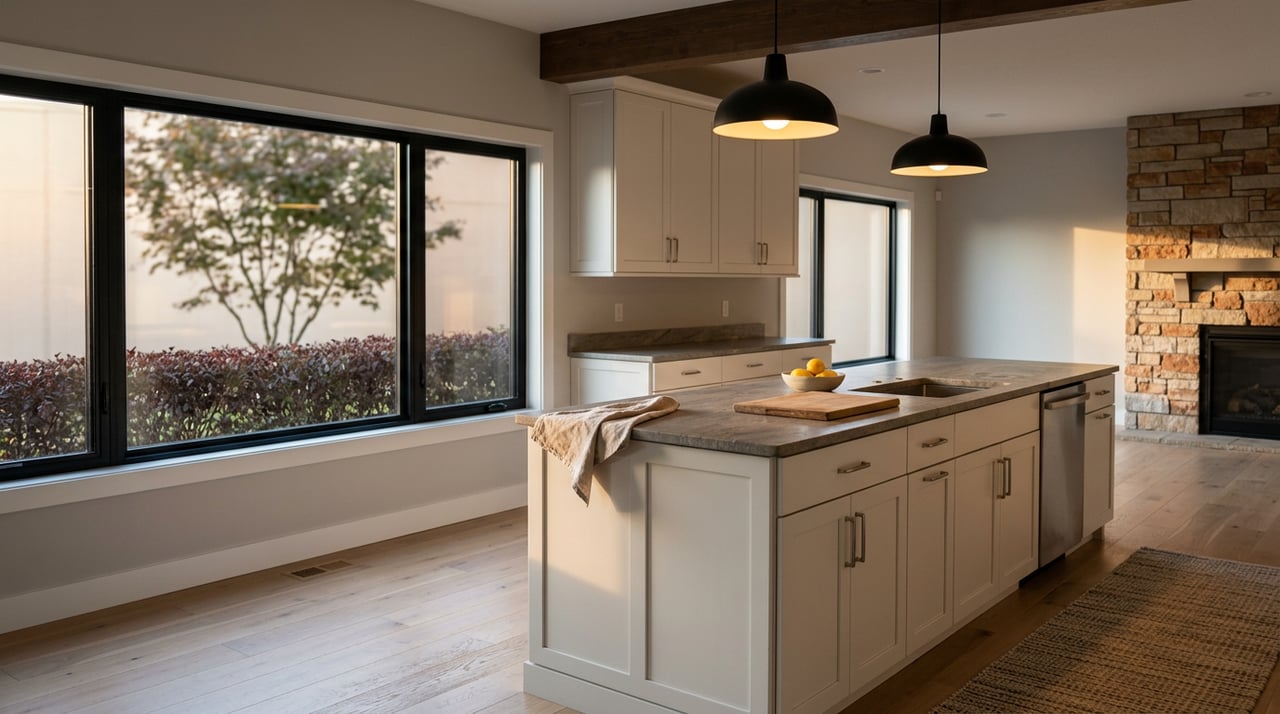
That is also where professional listing preparation can help. Strong photography, thoughtful staging, and a clear visual presentation can support a polished launch, especially in a market where buyers are comparing multiple options.
If you are planning to sell in the next 6 to 18 months, a phased timeline can make the process feel much more manageable. It gives you time to make smart decisions without rushing the details.
Start by identifying larger repair items and gathering contractor bids if needed. This is also a good time to decide whether a pre-inspection makes sense for your situation and whether you want to self-fund improvements or explore a program like Compass Concierge.
Compass says Concierge can front the cost of eligible home-improvement services with zero due until closing. Covered services may include staging, flooring, painting, deep cleaning, decluttering, landscaping, cosmetic renovations, HVAC work, roofing repair, moving and storage, and seller-side inspections, with repayment due when the home sells, the listing ends, or 12 months pass.
This is when your home should start looking more like a product coming to market. Focus on decluttering, deep cleaning, depersonalizing, paint, minor repairs, and staging the rooms that matter most.
You can also begin planning professional photography and any visual marketing needed for launch. The earlier you handle the visible items, the less stressful the final month will feel.
This stage is about final details and documentation. Complete your disclosures, organize repair receipts and reports, and work through your final pricing and launch strategy.
Colorado’s Seller’s Property Disclosure form is mandatory for use on and after January 1, 2026. It must be completed by the seller based on the seller’s current actual knowledge, and changes must be disclosed promptly.
Colorado also requires disclosure related to radon concentrations, any testing or mitigation, and the Colorado Department of Public Health and Environment radon brochure. For homes built before 1978, federal law requires disclosure of known lead-based paint hazards, available records and reports, a warning statement, and a 10-day opportunity for a buyer inspection or risk assessment.
By the time your home goes live, the major work should already be done. Photos, staging, pricing, and paperwork should be ready before launch so that the listing hits the market in a polished, coordinated way.
If your timing allows, a Thursday launch may help align your listing with weekend showing activity. In a market where first impressions matter, being fully prepared on day one can make a real difference.
If you are selling in Boulder County, the strongest strategy is usually not just about choosing the perfect month. It is about pairing thoughtful timing with smart preparation, local pricing, and a clean market debut.
Late spring may offer a helpful seasonal window, but it is not a shortcut. A well-priced, well-presented home in the right Boulder micro-market will often outperform a rushed listing that simply happened to go live at a popular time.
That is where local guidance can matter most. When you understand the neighborhood, the likely buyer pool, and the prep work that truly supports value, you can make decisions with more confidence and less guesswork.
If you are thinking about selling in Boulder, Boulder County, or a nearby Front Range community, The Mock Group can help you build a plan that fits your timing, your home, and your goals.
Stay up to date on the latest real estate trends.


Whether you're selling or buying a home, relocating, or considering an investment property, The Mock Group welcomes the opportunity to make every step enjoyable and hassle-free for you.

GAIL MOCK
NATALIE MOCK
825 S BROADWAY ST BOULDER CO 80305