Living in Golden Colorado: Trails, Downtown, and Neighborhoods
May 14, 2026
May 14, 2026
Golden is one of those places where daily life can feel both active and easy. If you are thinking about moving here, or simply want to understand how the city lives beyond the postcard views, it helps to know what a normal week actually looks like. From Clear Creek strolls to coffee on Washington Avenue and quick access to trails and transit, Golden offers a lifestyle that blends small-city convenience with foothills scenery. Let’s dive in.
Golden is a compact city of about 20,151 people, which gives it a more established, close-to-home feel than a spread-out suburban community. The city also has a meaningful mix of homeowners and renters, with a 56.8% owner-occupied rate, a median owner-occupied home value of $837,700, and a median gross rent of $1,953. In practical terms, that points to a city with a range of living arrangements and a steady year-round rhythm.
Planning documents for Golden emphasize walkability, outdoor activity, local business support, downtown access, and neighborhood living. That matches what many people notice right away when they spend time here. You are not choosing between town life and outdoor life in Golden. You are often getting both in the same day.
Historic downtown Golden is the heart of everyday activity. Washington Avenue, the Welcome to Golden Arch, shops, cafés, museums, patios, and the nearby 12th Street Historic Neighborhood all create a downtown that feels active without feeling overwhelming.
One reason downtown matters so much is that it is not just for visitors. It sits along Clear Creek and works well for regular errands, coffee runs, casual dinners, and meeting friends. That makes downtown Golden feel more like a lived-in town center than a single-use destination.
Golden’s downtown is also practical to use. The area is walkable and bikeable, and parking options include free two-hour street parking, paid spaces, city lots, and the Clear Creek lot for daytime parking.
For you, that can make a real difference in day-to-day life. A downtown that is easy to access tends to become part of your routine, not just a place you visit once in a while.
Clear Creek is central to how Golden functions. The Clear Creek Trail includes a 2-mile paved loop along 10th Street from Ford Street to the 6th Avenue bridge, and it is open dawn to dusk.
You will find walkers, runners, cyclists, anglers, and kayakers using the area, which gives the creek a steady sense of activity. The larger Clear Creek corridor is also part of a 65-mile regional trail connection that links Denver with the headwaters of Clear Creek.
In many cities, outdoor recreation feels like a separate weekend plan. In Golden, it is woven into normal life because trails and creek access sit so close to downtown and residential areas.
That means a typical day might include a morning walk by the creek, lunch or errands downtown, and time with friends in the evening, all without leaving the city. For many buyers, that is one of Golden’s strongest lifestyle advantages.
Golden gives you access to larger outdoor areas without requiring a long drive. North Table Mountain Park has more than 15 miles of trails, panoramic views, and rock climbing opportunities.
South Table Mountain Park offers mesa-top routes for hiking, running, and biking, with several access points near the city. These areas help explain why Golden appeals to people who want regular outdoor time built into their schedule.
Lookout Mountain rises more than 7,300 feet above Golden and can be reached by hike, bike, or scenic drive. Its proximity adds another layer to Golden’s everyday appeal.
Instead of saving mountain views and foothill outings for special occasions, you can make them part of your week. That closeness changes how a place feels to live in, especially if you value movement, scenery, and easy access to open space.
Golden’s neighborhood guide highlights five broad areas: Historic Downtown, Gateway Village, North Golden, South Golden, and Lookout Mountain. Each area contributes something different to the city’s overall feel.
North Golden includes residential neighborhoods, parks, local businesses, and nearby outdoor destinations. South Golden covers a larger area south of downtown and offers access to major highway routes with quick connections toward Denver and the Rockies.
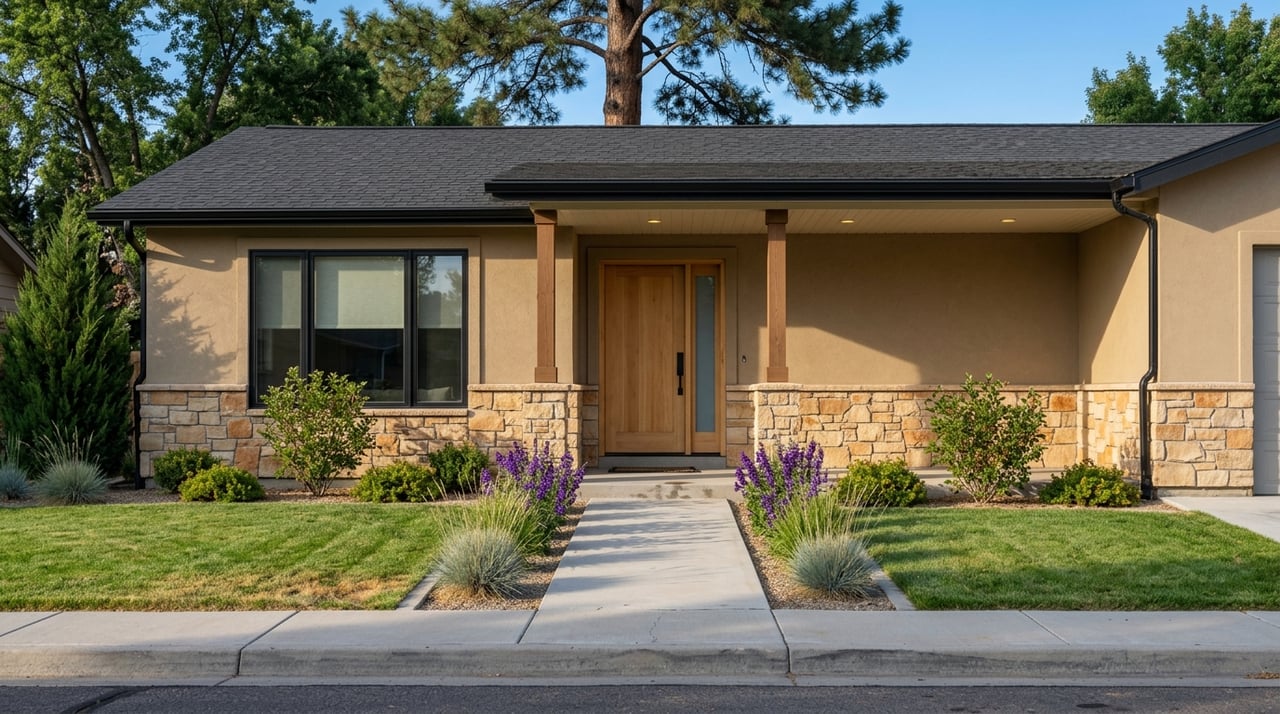
The city’s Central Neighborhoods Plan gives one of the clearest pictures of Golden’s housing variety. Just south of downtown, this area includes the Ford and Jackson corridors, homes near Fossil Trace and Golden High School, and a mix of original homes, early subdivisions, newer construction, single-family homes, multi-family homes, rentals, and Harmony Village cohousing.
Architecture in these central areas ranges from historic homes and postwar bungalows to multi-story homes along Fossil Trace Golf Course. For you as a buyer or seller, that means Golden is not one-note. The housing stock changes meaningfully from one pocket to the next.
Golden has three local historic districts: the 12th Street Historic District, the East Street Historic District, and the 8th and 9th Street Historic District. These areas carry a more preservation-focused context than other parts of the city.
That is important if you are looking at homes near downtown or evaluating how one block may differ from another. Some sections have a distinctly historic character, while others transition into later-era homes and mixed-use edges.
Golden offers a mix that includes downtown-adjacent historic homes, postwar and infill housing in central neighborhoods, and more utility-oriented options in other parts of the city. The city’s owner and renter mix also suggests that Golden supports different life stages and housing needs.
At the same time, pricing reflects strong demand. The median owner-occupied home value is $837,700, which is a useful baseline if you are starting your search or thinking about your home’s position in the market.
For buyers, that means it is worth getting specific about what matters most, whether that is access to downtown, trail proximity, architectural style, or commuting ease. For sellers, it reinforces the value of understanding how your location within Golden shapes buyer interest.
Golden is well connected for a foothills city. Major corridors include I-70, Highway 6, Highway 58, Highway 93, and C-470.
That connectivity supports a range of routines, from local errands to regional commutes. It is one reason Golden can appeal to people who want a smaller city feel without giving up access to nearby employment centers and services.
The RTD W Line runs from Denver Union Station to Jefferson County Government Center and Golden, with 15-minute service in the Golden segment. The Golden station at 1035 Washington Avenue also connects with bus routes 17 and GS, along with Golden FlexRide service.
Route 17 runs through downtown Golden and connects to Oak Station and the Federal Center hub. Route GS connects Golden with Boulder and Lakewood, which can be especially useful if your routine stretches beyond Jefferson County.
Golden FlexRide covers most of the city, though it does not serve Golden Heights, Golden Hills, or the Coors Technology Center, and it operates Monday through Saturday with no Sunday service. Residents also have the free Ore Cart shuttle, operated with Colorado School of Mines, with Silver, Tungsten, and Gold routes.
Taken together, these options make Golden more flexible than many buyers first assume. You can combine walking, biking, driving, and transit depending on where you live and how you prefer to move through the city.
Golden works especially well if you want a real downtown, quick outdoor access, and strong regional connections in one place. The city’s mean commute time is 24.4 minutes, which supports the idea that Golden functions as more than a scenic foothills stop. It is a city where people can build practical, full routines.
That balance is what makes Golden memorable. You can live near trails and open space while still having cafés, shops, transit, and neighborhood variety close at hand.
If you are considering a move to Golden, or trying to understand how your home fits into this market, working with a team that knows Front Range lifestyle differences can help you make a more confident decision. The Mock Group brings a high-touch, relationship-driven approach to buyers and sellers across Boulder and nearby communities, with local insight that helps you see how a place really lives.
Stay up to date on the latest real estate trends.
Whether you're selling or buying a home, relocating, or considering an investment property, The Mock Group welcomes the opportunity to make every step enjoyable and hassle-free for you.
GAIL MOCK
NATALIE MOCK
825 S BROADWAY ST BOULDER CO 80305