Living in Broomfield Colorado: What Daily Life Feels Like
May 28, 2026
May 28, 2026
Wondering if Broomfield feels more like a commuter hub, an outdoor town, or a place to put down long-term roots? The honest answer is that it blends all three in a way that works well for many buyers and sellers. If you are weighing a move, comparing Front Range communities, or trying to decide whether Broomfield fits your day-to-day life, this guide will help you understand what living here is really like. Let’s dive in.
One of the biggest draws of living in Broomfield is how balanced it feels. The city and county describe their planning approach as a mix of residential and commercial uses with generous open space, parks, and natural areas, which helps explain why daily life here often feels convenient without being overly dense.
That balance seems to resonate with residents. In Broomfield’s 2021 community survey, 95% of respondents rated the city as an excellent or good place to live. With a 2025 population estimate of 79,174 and a broad age mix that includes both younger residents and older adults, Broomfield supports a wide range of life stages.
If you need to travel regularly to Denver, Boulder, or other nearby communities, Broomfield’s location is a major advantage. It sits along US 36, the main corridor between Denver and Boulder, which gives residents direct access to one of the region’s most important transportation routes.
That corridor includes managed lanes, improved transit service, and a parallel multi-use path. RTD’s Flatiron Flyer also connects Denver, Westminster, Broomfield, Louisville, Superior, and Boulder, and Broomfield’s transit resources list local, regional, and express service through the US 36/Broomfield Station and Flatiron Station park-n-rides.
For everyday context, Census QuickFacts lists a mean travel time to work of 25.5 minutes. Your actual commute will depend on where you work and when you travel, but that number gives you a reasonable benchmark for what many residents experience.
Broomfield’s outdoor lifestyle is not just a marketing phrase. The city says it has more trails than streets, and the numbers behind that statement are notable. Its open-lands inventory includes 8,699 acres of public and private open space, parks, and other open lands, plus 396 miles of trails, sidewalks, and bike lanes.
The city also reports 63 parks. In real life, that means access to trails, neighborhood parks, and places to get outside is often built into ordinary routines, whether you want a morning walk, a bike ride, or an easy way to spend time outdoors close to home.
For many people, that is one of the strongest parts of living in Broomfield. You do not need to plan a full weekend outing to enjoy open space. In many parts of the city, outdoor time can simply be part of your regular schedule.
Beyond parks and trails, Broomfield has a well-developed recreation system. Paul Derda Recreation Center includes an indoor aquatic park, indoor playground, gymnasiums, cardio and strength areas, child sitting, and a licensed preschool.
The Broomfield Community Center adds more options with pools, an indoor walking track, basketball courts, meeting spaces, and child watch. In the summer, The Bay Aquatic Park offers seasonal water recreation with slides, a leisure pool, a toddler pool, and reservation-based entry.
That range of facilities can be especially useful if you want flexibility year-round. Whether you are looking for exercise, indoor play space, or seasonal activities, Broomfield offers several built-in options for everyday recreation.
This is one of the most important things to know if you are home shopping in Broomfield. The city is served by Adams 12, Boulder Valley, Brighton, Fort Lupton, Jeffco, and St. Vrain, and the city directs residents to school boundary maps.
The key takeaway is simple: do not assume one district serves the entire city. School assignment is highly address-specific in Broomfield, so if school boundaries matter to your move, you will want to verify the attendance area for any property you are considering.
That is also one reason local guidance can be helpful during your search. When you are comparing homes in different parts of Broomfield, small location differences may affect your commute, nearby amenities, and school boundary details.
For everyday convenience, FlatIron Crossing is a major part of the local retail picture. The center reports more than 175 stores and restaurants, giving residents a broad mix of shopping and dining in one area.
The city also notes the adjacent HiFi redevelopment, which is expected to add residential space, dining, retail, entertainment, and green space. That points to continued evolution in one of Broomfield’s most visible activity centers.
FlatIron Crossing is also supported by nearby park-n-ride and regional bus access. For many residents, that makes this area useful not just for shopping but also as part of a broader routine that includes commuting and errands in the same part of town.
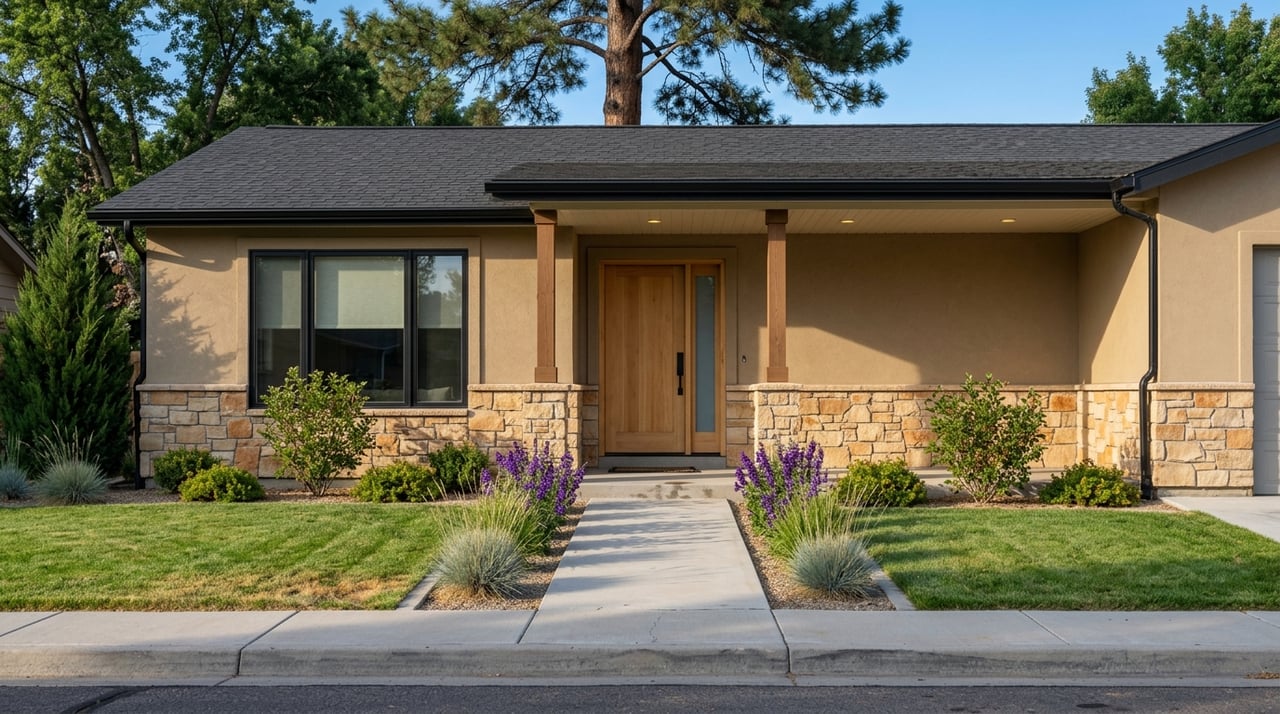
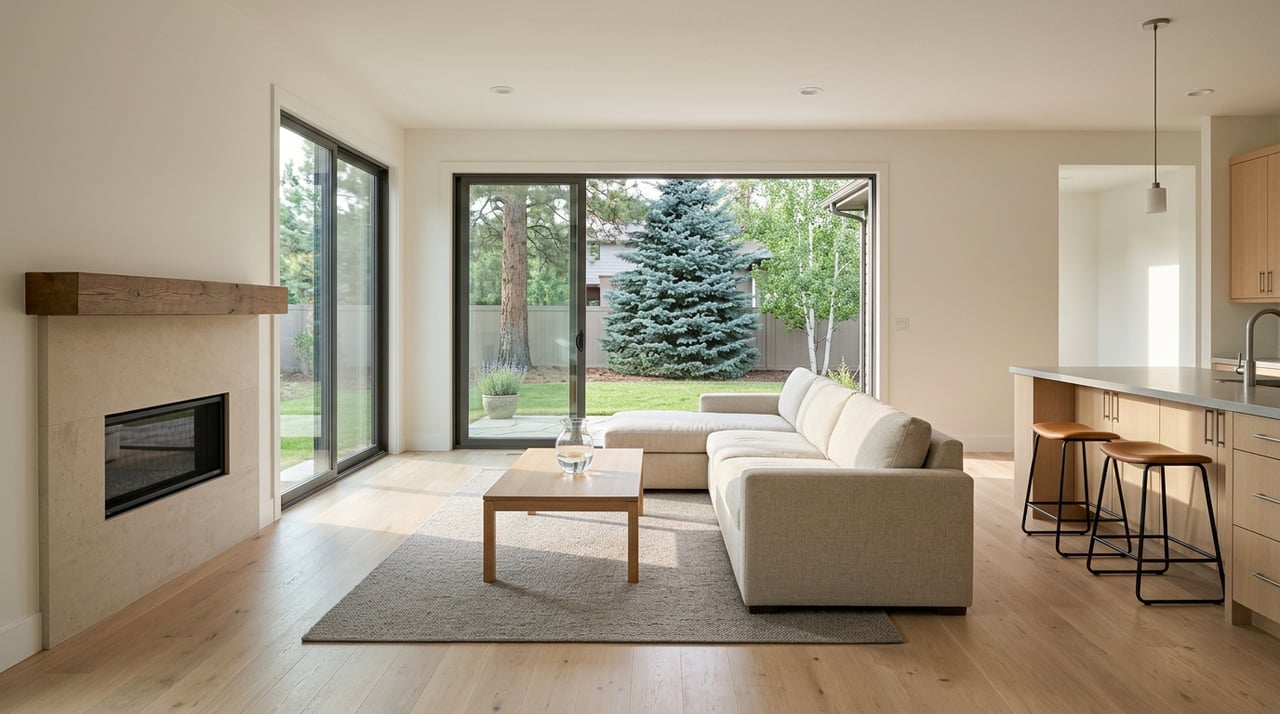
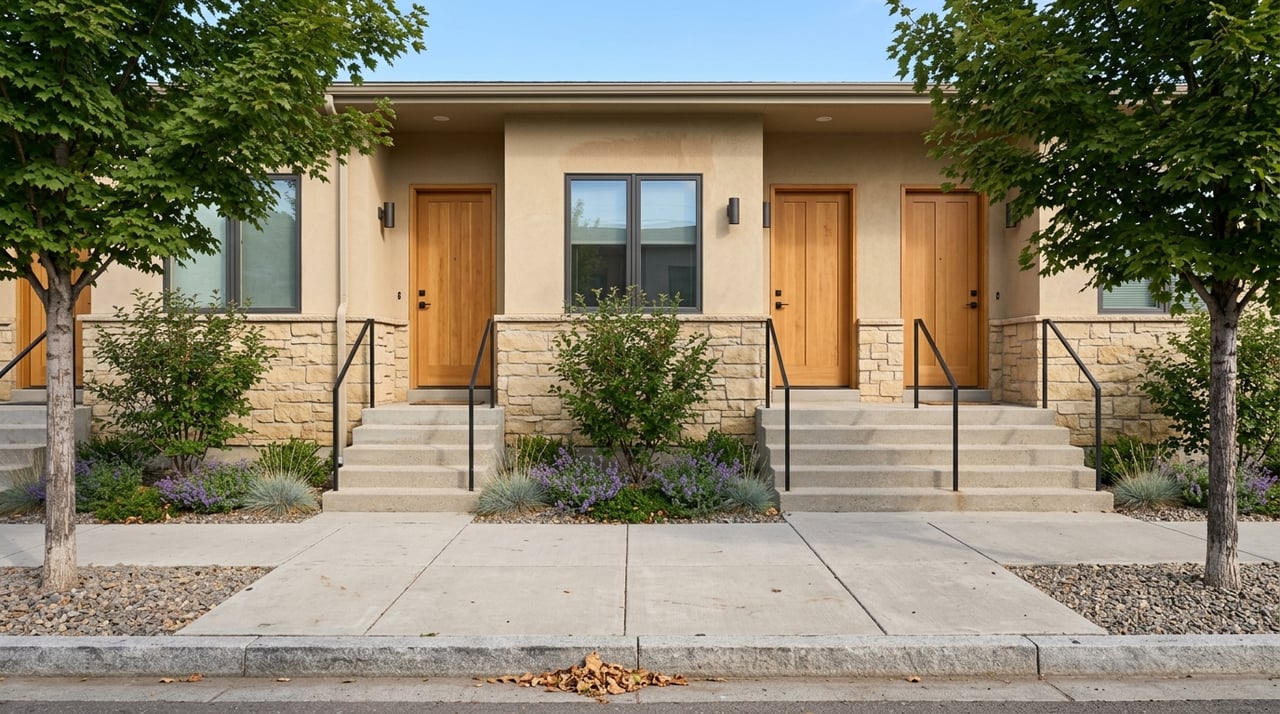
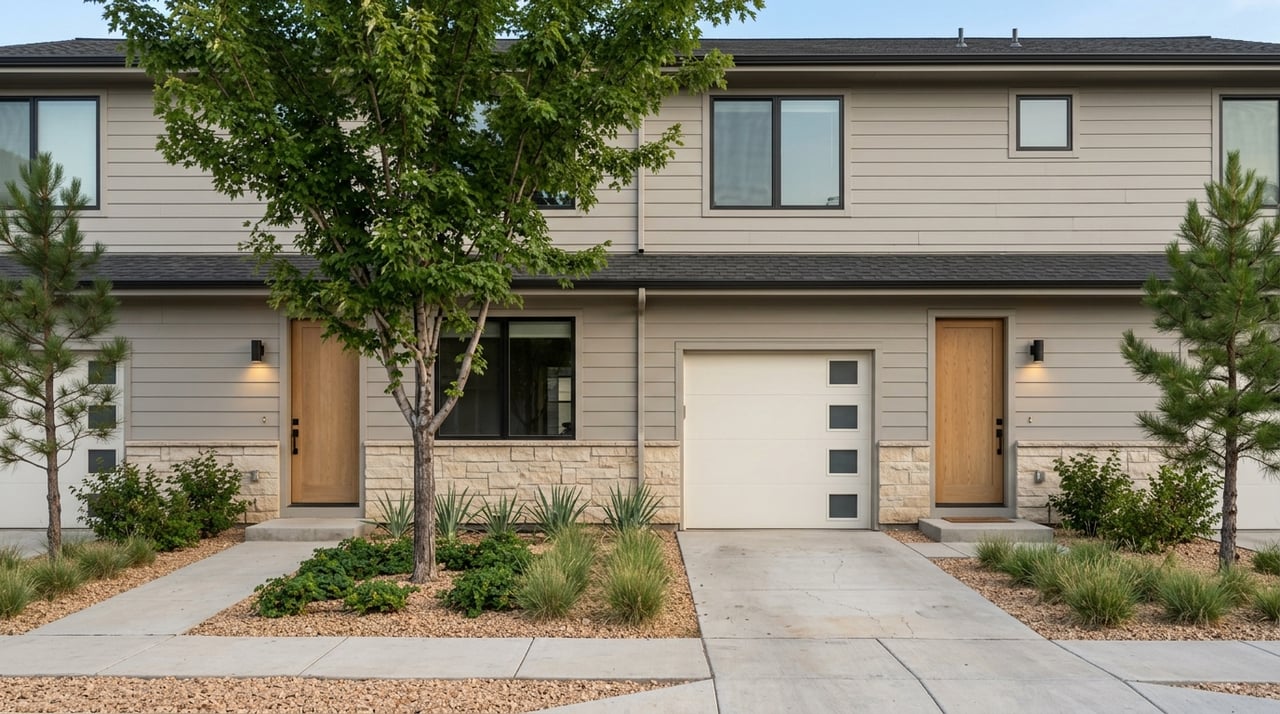
Broomfield’s housing stock is broad, which is one reason it appeals to different kinds of buyers and renters. According to the city, housing choices range from starter homes to million-dollar executive homes, along with custom homes, townhomes, condos, apartments, and rentals.
That variety matters if you are trying to match your next move to a specific stage of life. Whether you are buying your first home, moving up for more space, downsizing, or looking for a lower-maintenance option, Broomfield offers more than one path.
Census QuickFacts adds useful context. The owner-occupied housing rate is 62.7%, the median owner-occupied home value is $664,500, and the median gross rent is $2,126. Together, those numbers suggest a market with both ownership and rental demand, rather than a one-size-fits-all housing profile.
Broomfield can make sense for a wide range of households, but it is especially appealing if you value convenience and outdoor access at the same time. Many people are drawn to the ability to reach Denver or Boulder while still having parks, trails, recreation centers, and shopping close to home.
It may also be a good fit if you want housing variety. Because the city includes condos, townhomes, single-family homes, rentals, and higher-end properties, buyers often have room to adjust their search based on budget, lifestyle, and maintenance preferences.
At the same time, Broomfield is not a one-note community. Your experience can vary depending on which part of the city you choose, how important commute routes are to you, and whether you want to be closer to trails, shopping, or transit.
If you are considering a move to Broomfield, focus on the details that affect your daily routine most. A home may look ideal on paper, but location within the city can shape how the property actually feels to live in.
A few smart things to verify include:
These are practical factors, but they often make the biggest difference after move-in. The right Broomfield home is not just about square footage. It is also about how smoothly the location supports your everyday life.
If you are selling in Broomfield, the city’s lifestyle strengths are worth highlighting clearly and factually. Buyers are often drawn to the combination of transportation access, outdoor amenities, recreation facilities, and varied housing choices.
That means strong marketing should do more than describe the home itself. It should also show how the property connects to the parts of Broomfield life buyers care about, such as trail systems, commute convenience, shopping access, and the overall mix of neighborhood amenities.
For many sellers, this is where local positioning matters. A thoughtful strategy can help your home stand out by showing not just what the property offers, but what living in that specific part of Broomfield feels like.
Broomfield tends to appeal to people who want a practical Front Range location with everyday convenience and easy access to outdoor amenities. The city’s current data points to a community that works well for commuting, supports active routines, and offers a wide mix of housing choices.
In plain terms, living in Broomfield often means you do not have to choose between access and comfort. You can have regional connections, neighborhood amenities, and outdoor space woven into daily life, which is a big reason many residents value living here.
If you are thinking about buying or selling in Broomfield, The Mock Group can help you evaluate neighborhoods, compare housing options, and make a move with confidence.
Stay up to date on the latest real estate trends.
Whether you're selling or buying a home, relocating, or considering an investment property, The Mock Group welcomes the opportunity to make every step enjoyable and hassle-free for you.
GAIL MOCK
NATALIE MOCK
825 S BROADWAY ST BOULDER CO 80305