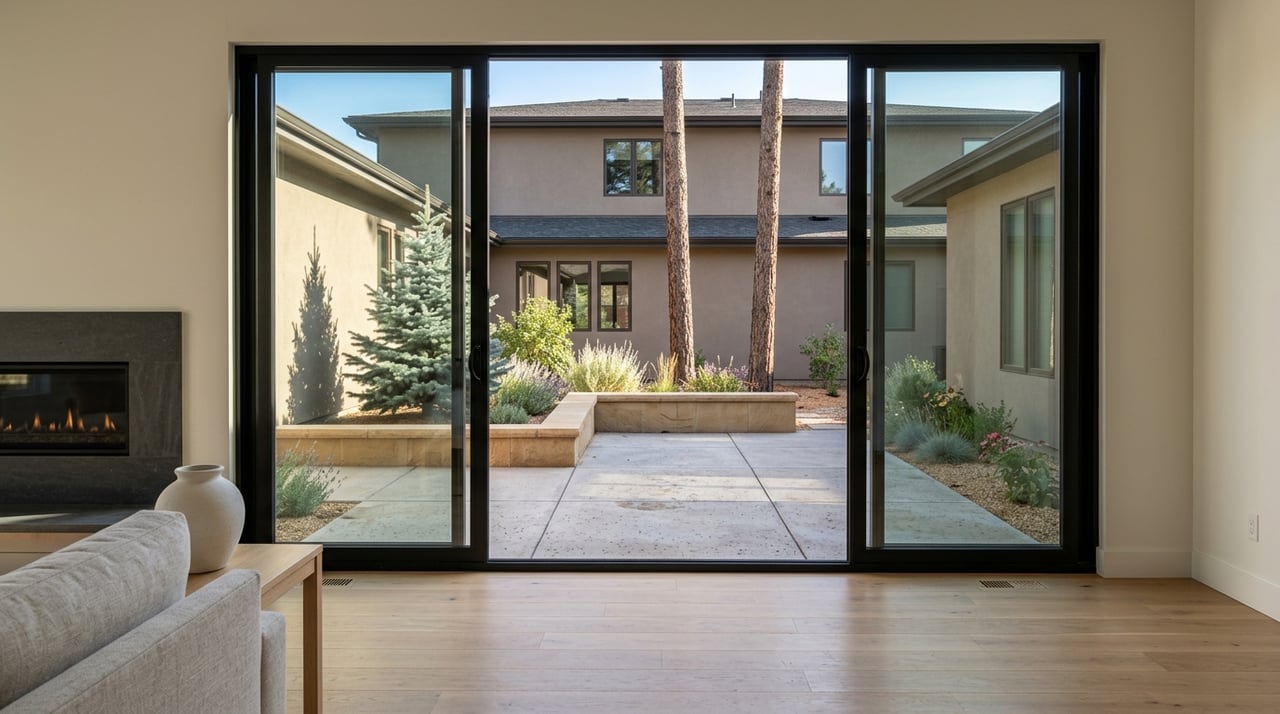
Condo Or House In Boulder County? How To Decide
June 11, 2026
June 11, 2026
If you are torn between a condo and a house in Boulder County, you are not alone. This is one of the most common decisions buyers face here, especially when the price difference can be dramatic and the lifestyle tradeoffs are real. The good news is that the right choice usually becomes clearer when you compare your budget, your day-to-day routine, and your long-term plans. Let’s dive in.
Boulder County is not one uniform housing market. County planning documents describe a mix of municipalities, semi-rural areas, mountain properties, neighborhood subdivisions, and agricultural land, while growth is directed toward municipalities and agricultural land is preserved.
That local mix helps explain why condos and townhomes are a normal part of the market, not a backup plan. A Boulder County staff report using 2021 ACS data described Boulder city as 39% single-family detached housing and 43% housing in buildings with five or more units. In other words, attached living is a mainstream Boulder option.
For many buyers, the first clue is price. In Boulder’s March 2026 MLS snapshot, the median sales price was $1.29995 million for single-family homes and $520,000 for townhouse and condo homes.
That is a major spread, and it shapes what is realistic for many households. A lower purchase price can leave more room for your down payment, savings, furnishings, or future improvements, while a detached house often requires a much larger upfront budget.
Inventory does not fully solve the decision either. The same March 2026 report showed about 3.7 months of inventory for single-family homes and 3.9 months for townhouse and condo homes, so attached homes were not dramatically more available even though they were far less expensive.
Price matters, but your daily life matters just as much. The better fit often comes down to how you want to spend your time and how much control you want over your property.
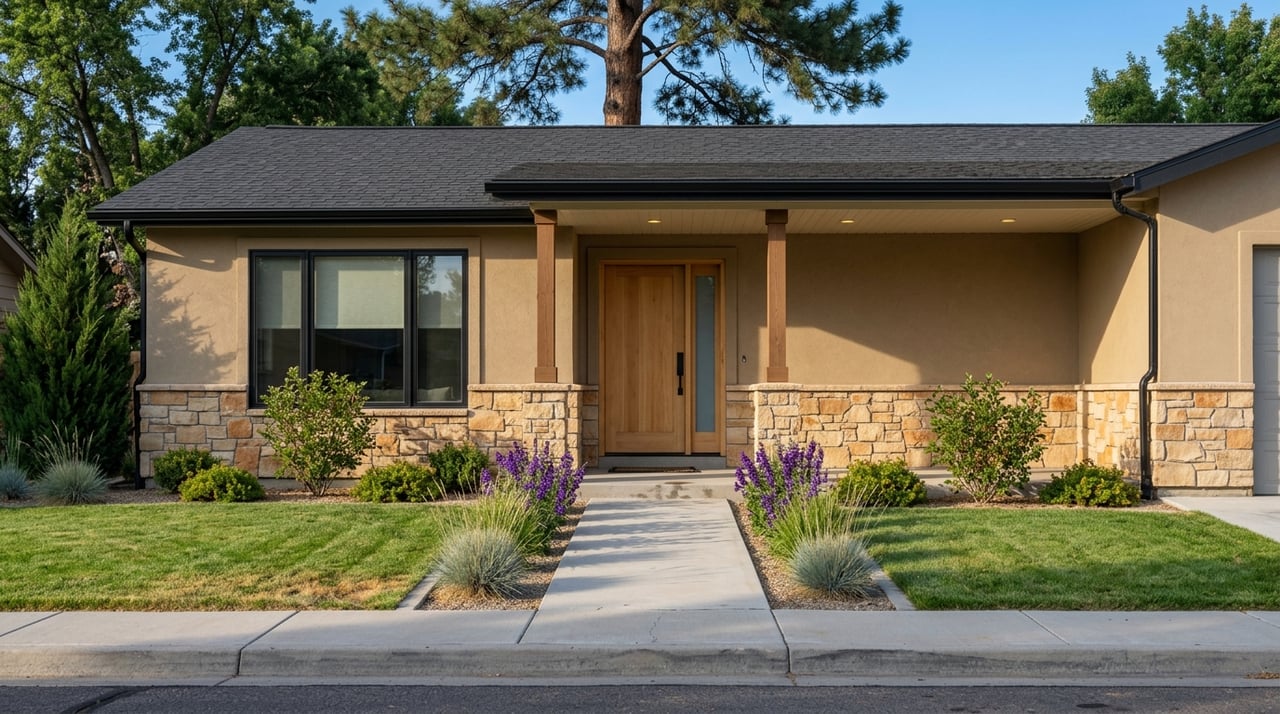
A detached home often makes sense if you want more separation from neighbors, a private yard, and more control over the exterior. That extra autonomy can matter if outdoor space, gardening, storage, or future changes to the property are high on your list.
A house can also offer more flexibility over time. In Boulder, accessory dwelling units are allowed by right on lots with a detached dwelling unit in most zoning districts, which can create more options for multigenerational living or future rental strategy if the property and zoning qualify.
Detached homes also line up with the wider range of residential settings across Boulder County. Depending on where you look, you may find neighborhood subdivisions, mountain properties, historic townsites, or homes on the plains, and each setting creates a different ownership experience.
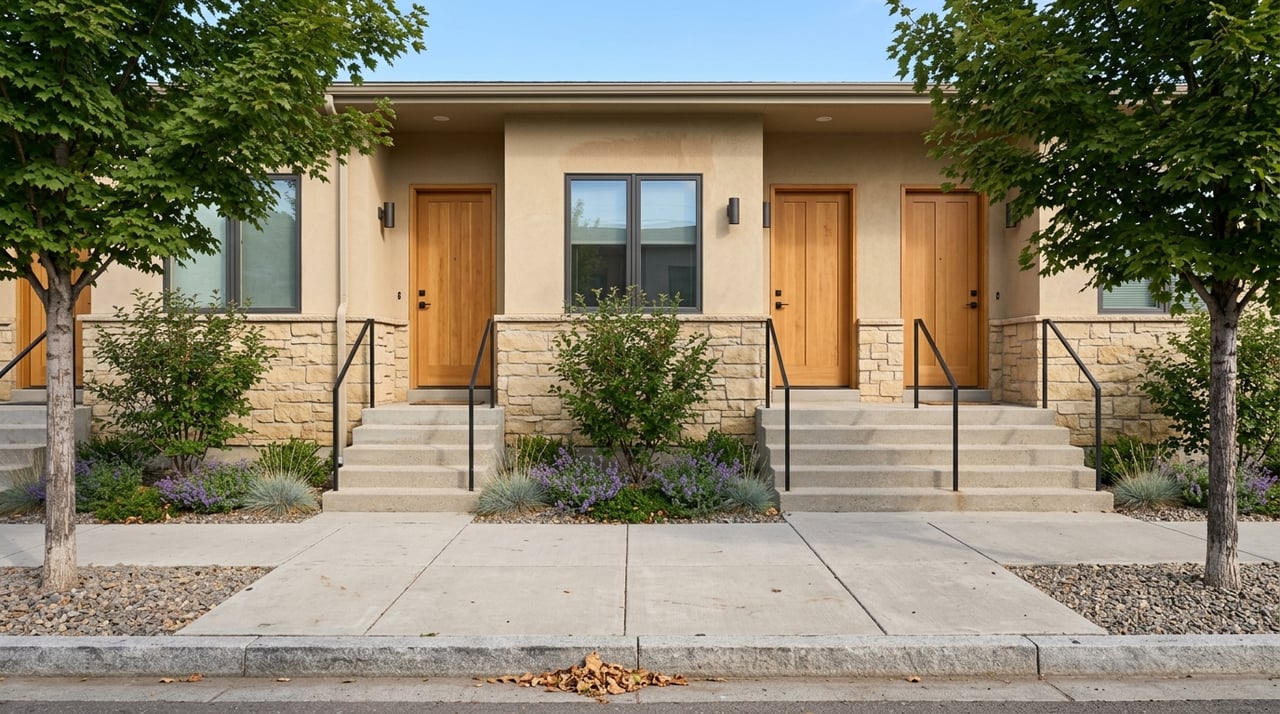
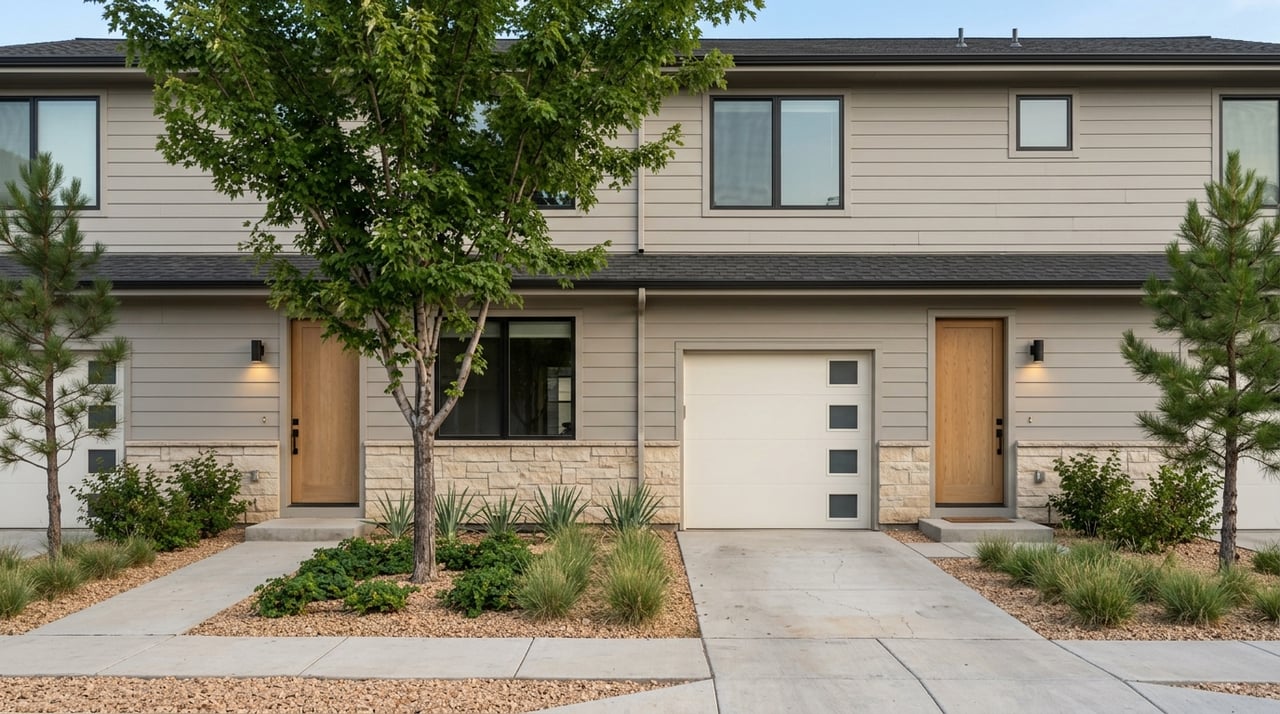
A condo or townhome often works well if you want lower-maintenance living and are comfortable with some shared structure or governance. For many buyers, the appeal is simple: less exterior upkeep and a more streamlined ownership experience.
That tradeoff can feel especially attractive in Boulder. The city reports 155 miles of trails and more than 45,000 acres of open space, and Boulder County lists more than 120 miles of trail across over 20 open-space properties. If you would rather spend weekends outside than handling yard work or exterior repairs, attached living may be a smart fit.
There is a tradeoff, though. Colorado’s Division of Real Estate notes that maintenance issues are more common in attached-home communities such as condominiums and townhomes, and buyers should review the association’s governing and financial documents to understand how the community operates.
A condo is often cheaper to buy, but that does not always mean it is cheaper to own month to month. In Boulder County, the smarter comparison includes taxes, HOA dues, insurance structure, and financing details.
Boulder County property values are used to set tax amounts, and the assessor updates values every two years. In practice, a lower-priced condo or townhome will often have a lower property tax base than a detached home, but exact taxes still depend on location and taxing district.
HOA dues are one of the biggest factors in the condo-versus-house decision. According to the Colorado Division of Real Estate, regular assessments commonly cover items like maintenance, landscaping, legal fees, registration fees, insurance, and similar community costs.
You also need to account for special assessments. These may be used for common-element repairs, unexpected major expenses, new construction, or reserve funding. That means the monthly HOA fee is only part of the picture.
A well-run association can provide predictability and shared maintenance. A poorly funded one can create stress, surprise costs, or both.
If you are considering a condo or townhome, review the HOA’s reserves, budget, insurance summary, and assessment history. The Colorado Division of Real Estate explains that a reserve study is used to analyze probable long-term expenses, and associations must maintain property insurance on common elements for broad-form covered causes of loss and liability.
This is one of the biggest reasons two condos with similar prices can feel very different from a risk standpoint. A strong-looking unit is not enough if the association’s finances are weak.
Financing can be more straightforward with a detached house because condo loans often require project review. Fannie Mae states that lenders must determine whether the condo project meets project-eligibility requirements before delivering the loan.
In practical terms, that means a condo may be affordable on paper but still involve extra underwriting questions. If you are comparing two property types, it is worth discussing financing early so you know whether the condo community fits your loan type.
Once you narrow in on a property type, your next step is due diligence. The right questions can save you time, money, and frustration later.
Ask for and review the association documents carefully. Colorado DRE says buyers in an HOA should review the section 7 association documents from the Colorado Contract to Buy and Sell because they show the operations and financial well-being of the association.
Focus on these items:
You should also confirm whether the project is eligible for the loan type you plan to use. Restrictions on rentals, exterior changes, or other uses can affect whether the property still fits your long-term goals.
Think beyond the initial move. A detached home may offer more long-range flexibility if you want to expand the home, create dedicated office space, or explore an ADU where zoning and lot conditions allow.
You should also budget honestly for ownership responsibilities. Without an HOA handling shared upkeep, you are generally responsible for the systems, surfaces, yard work, snow removal, and larger capital repairs that might otherwise be covered in an attached community.
If you are stuck, use this simple framework: choose the property type that best supports your budget, routine, and five-year plan.
A condo or townhome may be the better choice if you want:
A detached house may be the better choice if you want:
Neither option is universally better. In Boulder County, the best choice is usually the one that matches how you want to live, not just what you want to buy.
The right decision also depends on where in the county you are looking. Boulder has a more urban housing mix, while other parts of the county offer very different settings and ownership experiences. That is why local guidance matters when you compare attached and detached options.
If you want help weighing the real numbers, neighborhood context, and long-term tradeoffs, The Mock Group can help you compare Boulder County condos, townhomes, and single-family homes with a strategy tailored to your goals.
Stay up to date on the latest real estate trends.
Whether you're selling or buying a home, relocating, or considering an investment property, The Mock Group welcomes the opportunity to make every step enjoyable and hassle-free for you.
GAIL MOCK
NATALIE MOCK
825 S BROADWAY ST BOULDER CO 80305