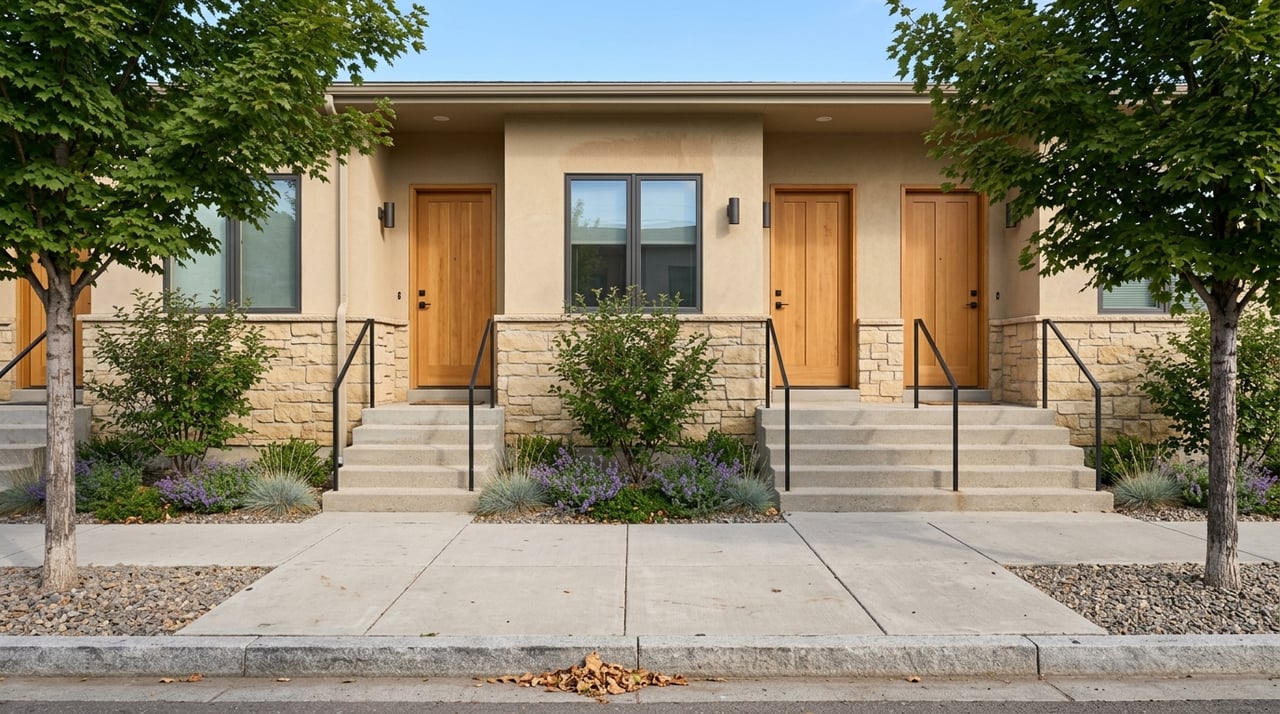
Living the Boulder Walkable Neighborhoods Lifestyle
April 28, 2026
April 28, 2026
If you want a Boulder lifestyle that lets you walk to coffee, bike to errands, and use transit without feeling tied to your car, you are not imagining things. Boulder is one of the rare cities where low-car living can be realistic in the right location, but it still depends a lot on the neighborhood, property type, and parking setup. This guide will help you understand where that lifestyle is easiest to pull off, what kinds of homes you are most likely to find, and what details to confirm before you buy. Let’s dive in.
Boulder starts with a strong foundation for walkability and bikeability. The city describes itself as a Gold-level Walk Friendly Community, and it supports that with a broad network of paths, lanes, and routes.
According to the city’s bike and walk resources, Boulder has more than 300 miles of bikeway, including 96 miles of bike lanes, 84 miles of multi-use paths, 50 miles of designated bike routes, and more than 80 bike and pedestrian underpasses. The city’s Low-Stress Walk and Bike Network Plan is intended to keep improving connections between these facilities and transit.
Transit also plays a big role. The city notes that Boulder’s Community Transit Network includes local routes such as HOP, SKIP, JUMP, BOUND, DASH, STAMPEDE, 204, 205, 208, and 225, along with regional routes including Flatiron Flyer, BOLT, AB, and NB, and the HOP runs every 12 minutes on weekdays from 7 a.m. to 7 p.m..
For day-to-day living, that means you may be able to combine walking, biking, and transit in ways that are harder in many other Front Range communities. The Boulder Creek Path is a good example, running 5.5 miles through downtown and past major destinations.
Not every part of Boulder offers the same experience. If your goal is to rely less on a car, some areas stand out more clearly than others.
Downtown Boulder is one of the easiest places to picture a walk-first lifestyle. You have shopping, services, restaurants, entertainment, and everyday conveniences close together, anchored by the Pearl Street Mall, which has been pedestrian-only since 1977.
This part of Boulder also includes a mix of higher-density residential areas and mixed residential blocks with single-family homes, duplexes, and multi-family housing. If you want to step outside and have a lot within reach, downtown, West Pearl, and nearby parts of Whittier are often the strongest fit.
One thing to keep in mind is parking. The city manages nearby neighborhood parking zones in places such as West Pearl and Whittier, so car storage and guest parking should be part of your search, not something you figure out later.
University Hill is another compact area where you can walk to restaurants, shops, entertainment, and bus stops. It can be especially appealing if you want easy access to central Boulder destinations and a lively, close-in setting.
The tradeoff is that this is one of Boulder’s more parking-sensitive areas. The city’s materials also note Hill-specific operational rules and a notable off-campus student housing presence, which can affect turnover, congestion, and how the area feels from block to block.
Nearby areas such as Goss Grove, University Place, and 16th Street can offer a similar central lifestyle with older housing stock and strong bike access. If you like character and convenience, this area deserves a close look.
If transit is a top priority, Boulder Junction is the clearest match. The city describes it as a mixed-use, pedestrian-oriented district where people live, work, shop, and access local and regional transit, with the regional bus station as a major asset.
Boulder Junction also reflects a more intentionally planned low-car lifestyle. The city says parking maximums and unbundled parking are part of the district’s transit-oriented development approach, which can make the area especially appealing if you want a newer home and are comfortable owning fewer vehicles.
For many buyers, this is the most straightforward option for a lower-maintenance, lock-and-leave lifestyle with strong transit access. It tends to feel different from Boulder’s older neighborhood fabric, so the right choice often comes down to your preferred housing style and daily routine.
North Boulder offers a more residential version of bikeable living. The city says single-family detached homes predominate there, with neighborhood-scale retail and access to transit and parks, while the Alpine-Balsam plan includes future condos, townhomes, and mixed-use buildings within walking distance of downtown.
If you want a quieter residential setting but still want to bike into central Boulder, North Boulder can be a strong middle ground. You may trade some immediate walk-to-everything convenience for a little more breathing room and a broader range of home styles.
Mapleton Hill also fits this general area, though with a more historic feel. It is one of Boulder’s largest historic districts and is known for older homes and a close-in location.
East Boulder is worth watching, but it is not yet the same kind of uniformly walkable residential district as downtown or Boulder Junction. The city’s long-range plan envisions a local business hub, more housing options, and future 15-minute neighborhoods, but it also says much of the area will remain industrial and that change will occur through private redevelopment.
In practical terms, East Boulder can work in select pockets, but buyers usually need to be more specific and realistic there. It is best viewed as an emerging option rather than a finished walkable district today.
Your home search will look different depending on which part of Boulder you target. The most walkable and transit-friendly locations often come with different housing types than more residential areas.
Around downtown and the blocks closest to Pearl Street, you are more likely to see condos, lofts, apartment-style homes, and mixed-use buildings. The surrounding older neighborhoods add more variety, including single-family homes, duplexes, and multi-family properties.
That variety can be helpful if you want central access without committing to one housing type. It also means two homes just a few blocks apart can offer very different parking, maintenance, and storage setups.
On and around University Hill, buyers often see older detached homes, small-scale multi-family properties, apartment-style units, and rental-oriented housing. Because the area has a strong rental and student-housing presence, the ownership experience may feel different than in other central Boulder neighborhoods.
This does not make it a poor choice. It just means you will want to evaluate each block and building carefully based on your own priorities for quiet, parking, and future resale.
Boulder Junction tends to be dominated by newer apartment-style and mixed-use residential projects. If you want newer construction, lower exterior maintenance, and a more transit-centered setup, this is usually where Boulder presents the clearest option.
Some newer homes in Boulder may also be permanently affordable or otherwise deed-restricted because of the city’s inclusionary housing framework. That makes it especially important to understand whether a property is fully market-rate and what any restrictions may mean for financing, occupancy, or resale.
North Boulder and Alpine-Balsam generally offer a wider mix, from detached houses to condos and townhomes. Mapleton Hill adds older single-family homes with historic-district oversight, which can be appealing if you want character and a central location.
For some buyers, this part of Boulder creates the best balance. You may not be steps from every errand, but you can still bike efficiently into downtown while enjoying a more residential setting.
A home can look perfect for a walkable lifestyle on paper and still miss the mark if key details are overlooked. In Boulder, a few issues deserve extra attention.
Parking is a real part of the lifestyle equation in Boulder. The city’s Neighborhood Parking Program covers many walkable neighborhoods, including Goss Grove, Mapleton, University Hill, West Pearl, and Whittier.
If a home is in or near one of these areas, confirm whether it has off-street parking, whether guest parking is available, and whether the address sits inside a permit zone. Even if you plan to drive less, you still want to know exactly how your day-to-day parking would work.
If you are buying a condo, townhome, or any common-interest property, the HOA documents matter. Colorado’s HOA Center recommends understanding your rights and responsibilities and keeping key governing documents on hand.
For a bikeable or lower-car lifestyle, the practical questions are often simple but important. Check parking rules, guest parking limits, storage availability, bike storage, architectural controls, assessments, and any restrictions that could affect how you use the property.
If you are considering a home in a landmarked property or historic district, exterior changes may require a Landmark Alteration Certificate. The city specifically flags items such as additions, repainting, re-roofing, window or door changes, porch enclosures, and fencing as common review triggers.
Historic status can be part of a home’s appeal, but you should confirm whether the property is actually designated. The city also notes that age alone does not create historic protection.
If you might later turn the property into a rental, Boulder requires a long-term rental license and SmartRegs compliance. That matters most if you are buying with long-term flexibility in mind.
This is especially relevant for buyers who may downsize again later, relocate for work, or hold the property as an investment. A quick review now can prevent surprises later.
The best Boulder neighborhood for walking and biking is not the same for every buyer. Your ideal fit depends on what you want most in everyday life.
If you want the most immediate access to shops, dining, and services, downtown and the Pearl Street area usually lead the list. If you want transit-oriented, newer housing, Boulder Junction is often the clearest choice.
If you prefer a more residential feel and are happy to bike into the center of town, North Boulder may be a better fit. If you are drawn to older homes and a close-in location, Hill-adjacent neighborhoods and Mapleton Hill may deserve more attention.
The key is to look beyond a map label. A truly walkable and bikeable lifestyle comes down to the combination of location, home type, parking setup, and your own habits.
If you are thinking about buying in Boulder and want help narrowing down the neighborhoods that best match your day-to-day routine, The Mock Group can help you compare options with the kind of local perspective that only comes from deep roots in this market.
Stay up to date on the latest real estate trends.
Whether you're selling or buying a home, relocating, or considering an investment property, The Mock Group welcomes the opportunity to make every step enjoyable and hassle-free for you.
GAIL MOCK
NATALIE MOCK
825 S BROADWAY ST BOULDER CO 80305