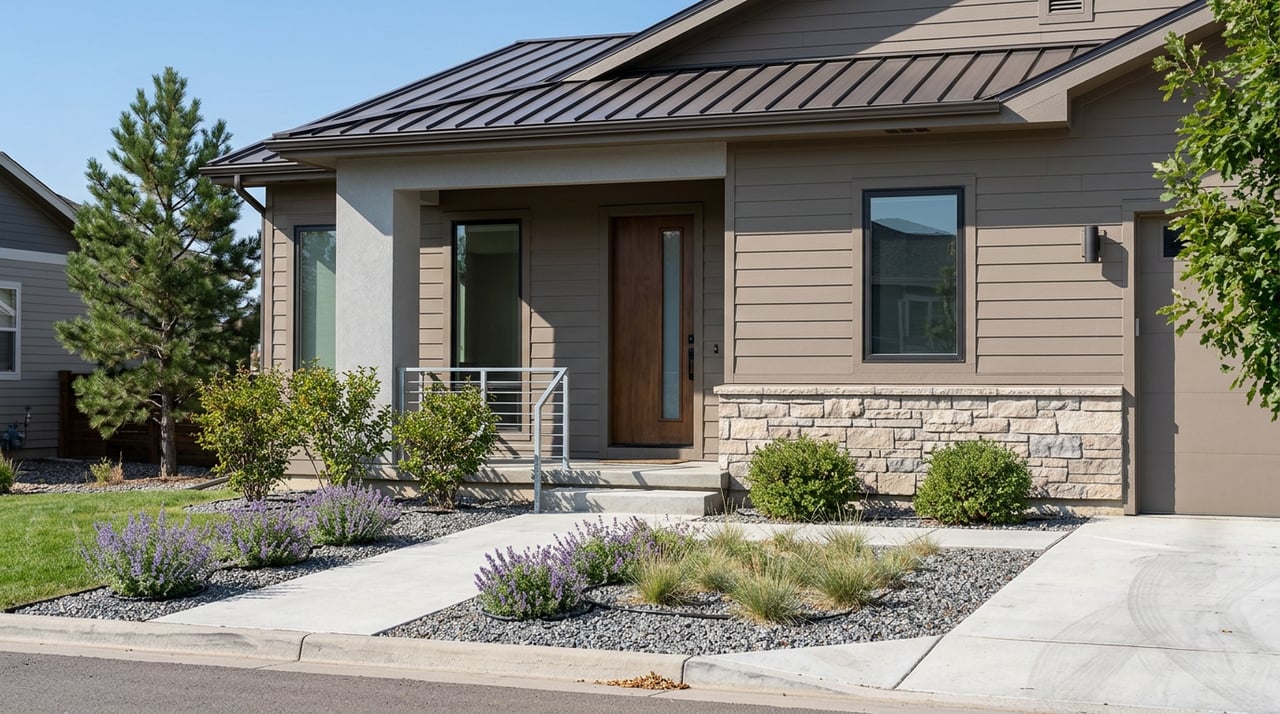
Guide to Buying New Homes in Superior CO
March 5, 2026
March 5, 2026
Buying in Superior right now means you are likely touring homes that are brand-new or recently rebuilt. That is exciting, but it also adds layers you do not see in a typical resale. You want clarity on wildfire-resilient construction, energy features, insurance quotes, and what those details mean for value. This guide walks you through the key checks, local rules, and smart questions to ask so you can buy with confidence. Let’s dive in.
First, find out if the property sits inside Superior’s Wildland Urban Interface map and which class applies. The Town outlines Class 1 and Class 2 parcels and lists what work triggers compliance for each site. Expect requirements like a Class A roof, ember-resistant vents, noncombustible gutters, and a hardened 0–5 foot zone around the home. Review the Town’s guidance and ask which WUI class and rules applied to this permit. You can start with the Town’s summary of the Colorado Wildfire Resiliency Code in Superior, and then reference state materials from the Colorado DFPC Wildfire Resiliency Code Board.
Superior adopted the 2021 International Energy Conservation Code with local amendments. New permits generally follow those rules unless a Marshall Fire rebuild opt-out was used. Some rebuilt homes used the Town’s Marshall Fire Rebuild Affidavit, which allowed limited exceptions in specific cases. Others followed stricter energy pathways. Ask for the full permit file and any affidavit on record so you know which standards the home met. Start with the Town’s Building Codes and Zoning page and the 2021 IECC amendments fact sheet that highlights solar and EV readiness requirements. You can review the Town’s 2021 IECC amendments summary to see common compliance paths.
Insurance in Colorado has shifted, especially in foothills and WUI areas. In 2025, the state enacted HB25-1182, which requires carriers to be more transparent about wildfire risk models and to consider verified mitigation in their pricing. You can ask how your home’s Class A roof, ember-resistant vents, and defensible space will be credited. Request written quotes from more than one carrier and ask about replacement cost limits, ordinance coverage, and additional living expense caps. You can read the bill summary for HB25-1182 to understand your rights.
After the Marshall Fire, several incentives encouraged high‑performance rebuilding. Some targeted heat pumps, heat‑pump water heaters, induction ranges, and certifications like ENERGY STAR or Passive House. Many programs were time-limited and tied to the original permit date or the original account holder. Ask the seller or builder which rebates they used, what certifications were achieved, and whether any benefits transfer to you. For current program basics, review the incentive overview at RebuildingBetter.org.
New and rebuilt homes in Superior often include stronger insulation, tighter air sealing, and modern HVAC such as cold-climate heat pumps. Many are wired for future solar and EV charging. These features can lower monthly operating costs and improve comfort. Ask for any HERS or ERI scores, blower door and duct test results, or ENERGY STAR and Passive House certificates if claimed. The Town’s IECC amendments highlight common elements like solar- and EV-readiness, which you can review in the amendments summary.
Modern builds in the WUI typically include Class A roofing, ember-resistant vents or mesh, noncombustible gutters, and site hardening within the first 5 feet. Landscaping and fencing near structures often use noncombustible materials. These steps reduce ignition risk from embers and surface fire, although no home is fireproof. Confirm which WUI measures were required at the time of permit and which were installed on site. The Town’s CWRC and WUI guidance explains triggers and standards.
Recent market snapshots show typical home values in Superior in the high 700s to mid 800s as of early 2026. Monthly medians can swing because the sales sample is small, so 12‑month trends and on-the-ground comps tell a better story. Many buyers pay a premium for new or rebuilt homes that include high-performance energy features, modern systems with warranties, and visible wildfire-hardening. On the other hand, post-fire code compliance and site work can raise asking prices, and insurance quotes vary by parcel and mitigation level. Compare the lower operating costs against the purchase price and your insurance terms.
You deserve a clear, calm path from first tour to closing. We help you confirm WUI class and permit history, gather test results and certificates, coordinate insurance quotes, and weigh incentives and operating costs against price. We use local comps, builder track records, and warranty details to shape a strong offer. If you are comparing Superior to nearby towns, we will map the code and insurance differences so you can choose with confidence.
Have questions about a specific listing or wanting a targeted search of new and rebuilt homes? Reach out to The Mock Group for a focused buyer consultation.
Stay up to date on the latest real estate trends.
Whether you're selling or buying a home, relocating, or considering an investment property, The Mock Group welcomes the opportunity to make every step enjoyable and hassle-free for you.
GAIL MOCK
NATALIE MOCK
825 S BROADWAY ST BOULDER CO 80305