Is Buying a Home in Longmont the Right Move for You?
February 19, 2026
February 19, 2026
Stretched by Boulder prices but want the same Front Range access and lifestyle? You are not alone. Many buyers are looking at Longmont for more space, solid amenities, and easier numbers without giving up on Boulder County living. In this guide, you will see how Longmont stacks up on price, what you can buy at different budgets, commute options, schools, outdoor access, and the key costs to plan for. Let’s dive in.
If you are comparing Boulder and Longmont, the headline is price. Recent market snapshots show Longmont’s median sale price around the mid $500,000s as of early 2026, while the City of Boulder sits around the low $900,000s for similar periods. That gap can translate to an extra bedroom, a larger yard, or a move-in ready finish level in Longmont.
Market tempo has cooled from the 2020–2021 peaks. Days on market are longer than those years, and month-to-month sales volumes are lower. Inventory is still limited in many segments, so the right strategy depends on your price range, condition goals, and timing. Always check the latest local data before you write an offer, since medians and days on market can shift week to week.
Inventory changes quickly, but here is what buyers typically see in Longmont by price band.
Expect condos and townhomes, plus a handful of smaller or older single-family homes that may need updating. This is a good range if you are open to attached living or a renovation. These homes place you near services and, in some cases, closer to transit or downtown.
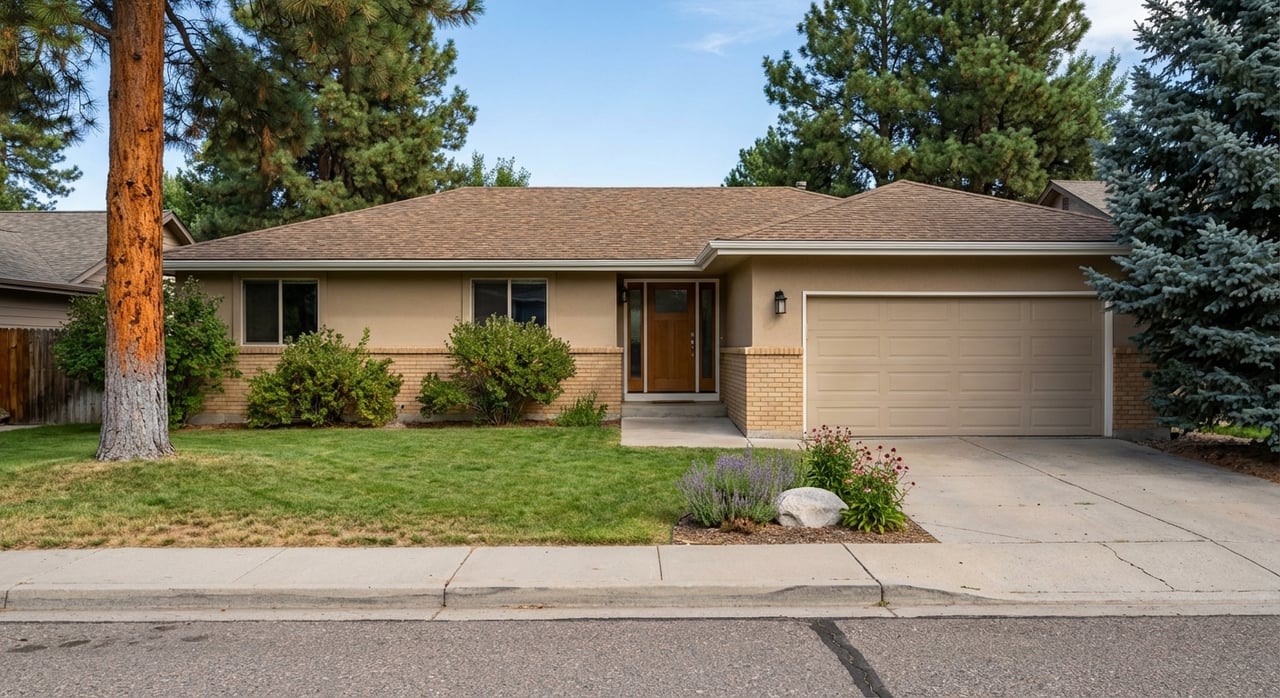
This is the core of the Longmont market. You will find entry to mid-level single-family homes with 2 to 4 bedrooms, many of them ranches or split-levels in established neighborhoods. You will also see newer townhomes and some infill options. Trade-offs often involve square footage, yard size, and commute time.
Look for updated 3 to 4 bedroom homes with better finishes and larger lots, plus some newer construction pockets. You will also find larger townhomes and select homes near parks and trail systems. Neighborhood medians vary across Longmont, so the same budget can go farther in some areas than others.
Premium and newer single-family homes, high-end renovations, and limited-build infill show up here. If you are priced out of Boulder for top-tier properties, Longmont’s upper end often compares favorably on size and finish level, though inventory is smaller and more selective.
Longmont offers a mix of historic streets, established subdivisions, and newer edges. Here is a simple way to think about it as you explore.
Older homes near the core often include historic charm, mature trees, and proximity to dining, coffee, and local events. You will find a range of single-family homes, plus townhomes and small condos closer to Main Street. The brewery scene adds to the local feel, with spots like Oskar Blues in Longmont drawing residents and visitors.
Many mid-century through early 2000s subdivisions ring the core. Expect practical floor plans, garages, and neighborhood parks. These areas offer good access to schools and community amenities, with pricing that often slots into the $400,000 to $700,000 range depending on size and updates.
On the outer edges you will see newer subdivisions, attached products, and some infill. These homes can deliver newer systems, open layouts, and lower-maintenance living. Location trade-offs often involve a slightly longer drive to central Boulder or Denver, balanced by value and home condition.
Longmont’s outdoor assets help define neighborhood appeal. Union Reservoir offers paddling and birding, and the surrounding nature area is a regional draw for wildlife viewing and open skies. Learn more about the area on the Union Reservoir Nature Area page. On the south and east sides, Sandstone Ranch features multi-use fields, a visitor center, trails, and large community spaces. The St. Vrain Greenway and the LoBo Trail connect neighborhoods to parks and, for some riders, toward Boulder by bike.
Longmont sits roughly 14 to 16 miles from downtown Boulder by road. Typical drive times run about 20 to 35 minutes, depending on your starting point and traffic. For a rough sense of distance, check this Longmont to Boulder driving overview, then confirm real-time conditions for your specific route.
Commutes to central Denver often range from 40 to 60 minutes or more, depending on traffic and destination. Longmont has regional bus connections as an alternative, but many riders find that a car is faster for most Denver-bound trips.
RTD operates regional routes that link Longmont with Boulder and Denver, including LD commuter service. You can view an example of regional service on this LD route page and check Park-n-Ride and station facilities through RTD’s facilities list. Looking ahead, RTD and partners are planning Bus Rapid Transit along CO 119, often called the Diagonal. Current planning materials have targeted the later 2020s for launch, with estimates around 2027, though timelines can shift with funding and construction.
Longmont is served primarily by St. Vrain Valley Schools, a district that includes Longmont and nearby communities. Start with the SVVSD main page to learn about programs and to verify attendance zones for a specific address. If you are researching performance, third-party sites can offer one data point. For example, you can review state test score summaries and other metrics for individual schools such as Silver Creek High School. Always confirm current boundaries and offerings directly with the district.
Families often cite Longmont’s park system, recreation programs, and community events as quality-of-life wins. Sandstone Ranch is a highlight with fields and trails, and neighborhood parks are spread throughout the city. Longmont’s Main Street restaurants and breweries add weekend options, while the Union Reservoir area gives quick access to the water on warm days.
Longmont’s municipal fiber network, NextLight, is a practical perk for remote workers and heavy streamers. It consistently earns positive coverage for speed and reliability compared with many big-name providers. You can read a local overview of how the service performs in the community in this NextLight feature.
Colorado’s property tax bills are based on an assessment rate and local mill levies. In Boulder County, special districts can vary by neighborhood, which means two similarly priced homes can carry different annual tax bills. Review how taxes are calculated and find county resources on the Boulder County Assessor’s tax page. Your lender can also estimate escrow needs as you shop.
Census QuickFacts and county data provide helpful context for median owner-occupied values and local incomes. Combined with current mortgage rates, that information can help you gauge what a monthly payment might look like at each price band. Pair this with current days on market and months of supply to decide whether to move fast or negotiate more aggressively.
Longmont makes sense if you want more home for your dollar in Boulder County while keeping daily life anchored to the Front Range. It is a strong fit for buyers who:
If that sounds like you, Longmont deserves a serious look.
Curious how your budget translates into specific Longmont homes today? Let’s look at active inventory, recent comps, and micro-neighborhood trends together. Reach out to The Mock Group for a tailored search and on-the-ground guidance.
Stay up to date on the latest real estate trends.
Whether you're selling or buying a home, relocating, or considering an investment property, The Mock Group welcomes the opportunity to make every step enjoyable and hassle-free for you.
GAIL MOCK
NATALIE MOCK
825 S BROADWAY ST BOULDER CO 80305