Old Town Longmont or Newer Neighborhoods? Compare Lifestyle
July 16, 2026
July 16, 2026
Wondering whether Longmont’s historic core or one of its newer neighborhoods fits your lifestyle better? It’s a smart question, because in Longmont, this choice can shape how you move through your day, what kind of home you buy, and how much upkeep or convenience you want. If you are weighing charm, walkability, parks, commute patterns, and housing style, this guide will help you compare the tradeoffs with more confidence. Let’s dive in.
Longmont’s downtown and Old Town area sit at the heart of the city’s original layout. City history describes Longmont as beginning with an original square-mile plat, with homes arranged in a grid spreading out from Main Street, which remains the city’s historic and cultural center.
Old Town is best understood as Longmont’s compact older core, not a single modern subdivision with sharply defined edges. City information places it generally between 1st and 11th Avenues and between Sunset and Martin Streets, which helps explain why the area feels established, connected, and close to downtown activity.
Newer Longmont neighborhoods reflect a different phase of growth. The city expects continued population growth through 2035 and is planning for infill, redevelopment, multimodal transportation, and more housing choice, so newer areas are not all built the same way.
That matters if you are home shopping. In Longmont, “newer neighborhood” can mean a more traditional subdivision, a mixed-neighborhood development, or a project with housing, parks, greenways, and even retail built into the plan.
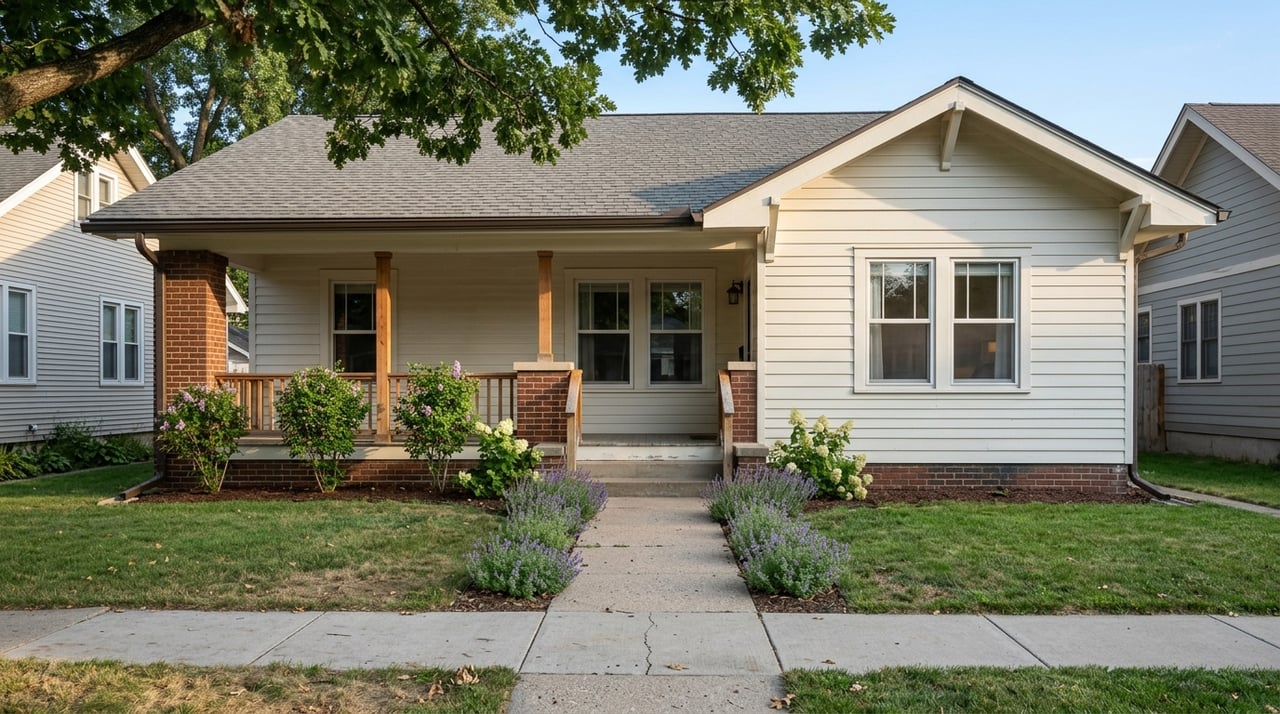
If you are drawn to homes with personality, Old Town may feel like the stronger fit. Longmont’s historic preservation materials point to a wide range of older architectural styles in the original square mile, including Bungalow, Craftsman, Vernacular Wood Frame, Victorian Eclectic, and Colonial Revival homes.
That variety gives Old Town a less uniform look than many newer developments. Instead of repeating one or two floor plans, you are more likely to see a mix of house shapes, ages, and details from one block to the next.
The original grid and historic development pattern also suggest smaller, older parcels than what many buyers expect in newer subdivisions. If you like a tighter street pattern and a neighborhood that feels established, that can be a real plus.
The tradeoff is that older homes often ask for more flexibility. You may need to be more comfortable with maintenance, renovation planning, or updating systems over time.
One common concern is whether every Old Town home comes with historic restrictions. The short answer is no.
Longmont’s historic review rules mainly apply when a property is locally designated or located within a local historic district. In those cases, exterior changes such as reroofing, additions, or window replacement may require a Certificate of Appropriateness.
For some buyers, that extra review is worth it because of the preservation value and possible benefits like tax incentives or fee waivers. For others, it is a sign that they may prefer a home with fewer exterior review steps.
This is one of the biggest lifestyle tradeoffs in Old Town. You may gain charm and architectural character, but you should also be ready to ask more questions about the property’s designation status before you buy.
If your priority is newer construction or more housing variety, newer Longmont neighborhoods may open up more choices. Recent development plans show detached homes, duplexes, triplexes, townhomes, apartments, retail, parks, schools, and greenways being included in newer projects.
That means newer Longmont is not one thing. Some neighborhoods lean more residential and car-oriented, while others are planned with mixed uses and a more connected daily experience.
Some downtown-adjacent projects are also transit-oriented, including housing over commercial space and planning around a future regional transit hub at 1st and Main. So while many buyers picture newer neighborhoods as purely suburban, Longmont’s growth pattern is more nuanced than that.
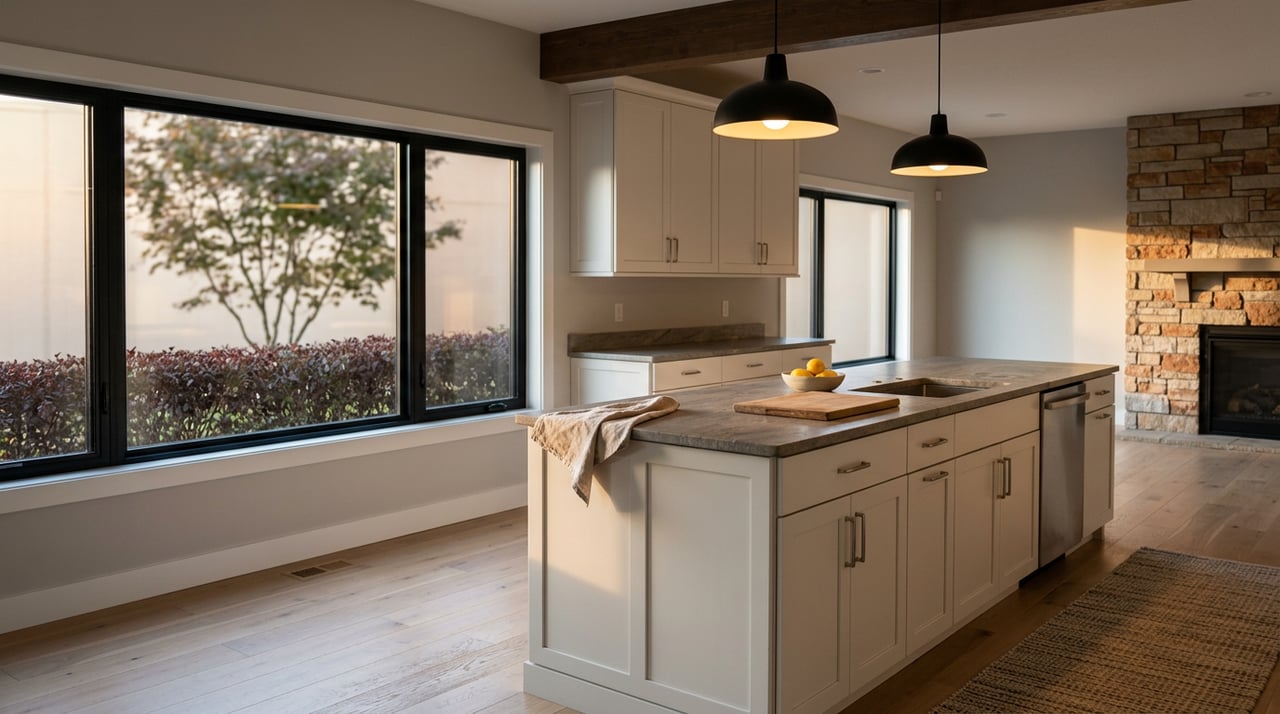
For buyers who want lower-maintenance living, newer finishes, or a broader menu of home types, these areas can offer practical flexibility. You may find options that better match your budget, household size, or preference for modern layouts.
If walkability is high on your list, Old Town usually has the edge. Longmont’s sidewalk program prioritizes downtown, planned transit stations, schools, and corridor development, and city improvements on Coffman Street are strengthening bike connections between downtown, the greenway, and Old Town.
The Main Street Corridor Plan also reinforces downtown’s role as the city’s business and commercial center. In everyday terms, that supports a lifestyle where you can be closer to errands, restaurants, events, and transit-oriented amenities.
That does not mean every trip can happen on foot, but Old Town is generally the better fit if you want your day-to-day routine to feel more connected to the city center. For many buyers, that convenience is a major reason to focus their search there.
Newer neighborhoods often offer a different kind of convenience. Instead of immediate downtown access, they may provide easier parking, newer street layouts, and quick access to larger roads for driving around Longmont or commuting out of town.
If outdoor space is a top priority, newer neighborhoods may stand out. Longmont’s Parks, Recreation and Trails Master Plan aims for neighborhood parks within a half mile and community parks within a mile as the system builds out, and current development applications show park and greenway space being built into newer projects.
This planning approach can create a lifestyle centered on nearby open space, walking paths, and recreation areas within the neighborhood itself. For buyers who want planned amenities close to home, that is a meaningful advantage.
Longmont’s greenway system also supports trail access across the city, which helps newer areas feel connected to outdoor recreation even if they are less walkable to shops or restaurants. So the recreation tradeoff is not simply old versus new. It is more about whether you want downtown proximity or built-in open space.
Old Town still offers value here, just in a different form. Its appeal is often tied to established streetscapes and closeness to downtown destinations rather than newer park planning.
Your commute can be one of the biggest deciding factors. Longmont reports that 31% of working residents work in Longmont, while 69% commute elsewhere, with about a quarter each traveling to Boulder and the Denver area.
That regional pattern helps explain why both walkability and driving access matter in this market. Many buyers are not choosing only between city living and suburbia. They are choosing how they want to balance local lifestyle with regional travel.
Transit exists, but it is not the main commute mode for most residents. Longmont’s 2025 Transportation Mobility Plan estimates that only 4% of commuters use transit, and it notes more limited transit service in the western and eastern parts of the city.
At the same time, local routes are fare-free, and city ridership data show strong use on BOLT and Route 324 along Main Street. That supports the idea that downtown and Old Town have a stronger transit advantage than parts of newer Longmont farther east or west.
For drivers, major corridors like US 287/Main Street and SH 119/Ken Pratt shape how people move through the city. Newer neighborhoods can be easier to position around driving, while Old Town often appeals more to buyers who want mixed-mode commuting or easier downtown access.
Old Town may suit you best if you want historic character, a tighter street grid, and a home that feels closely tied to Longmont’s original identity. It can be a strong match if you value being near downtown and are comfortable with the realities of owning an older property.
A newer neighborhood may be the better fit if you want newer construction, more housing types, and parks or greenways planned into the area. It may also work better if your daily routine is more car-based or if you want a more modern layout with potentially less immediate renovation need.
Neither option is automatically better. The right choice depends on whether you care more about charm or ease, walkability or built-in open space, and historic detail or newer design.
The best home search usually starts with your real routine. Think about how often you want to drive, how much home maintenance you can comfortably take on, and whether your ideal week includes downtown stops, trail access, or both.
If you want help comparing Longmont neighborhoods with your goals in mind, The Mock Group can help you narrow the options and find the right fit for your lifestyle.
Stay up to date on the latest real estate trends.
Whether you're selling or buying a home, relocating, or considering an investment property, The Mock Group welcomes the opportunity to make every step enjoyable and hassle-free for you.
GAIL MOCK
NATALIE MOCK
825 S BROADWAY ST BOULDER CO 80305